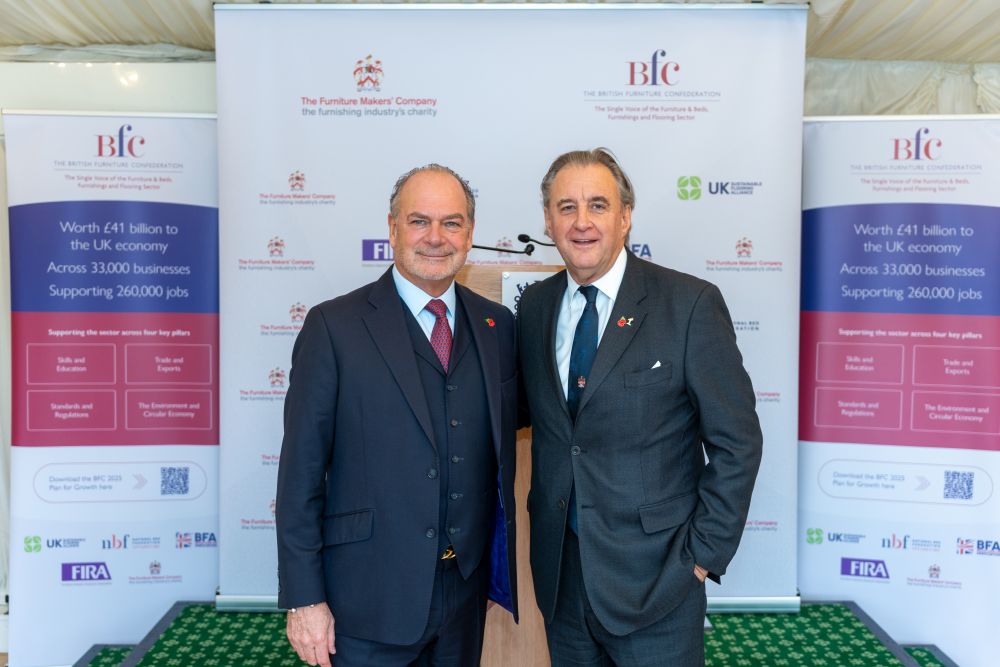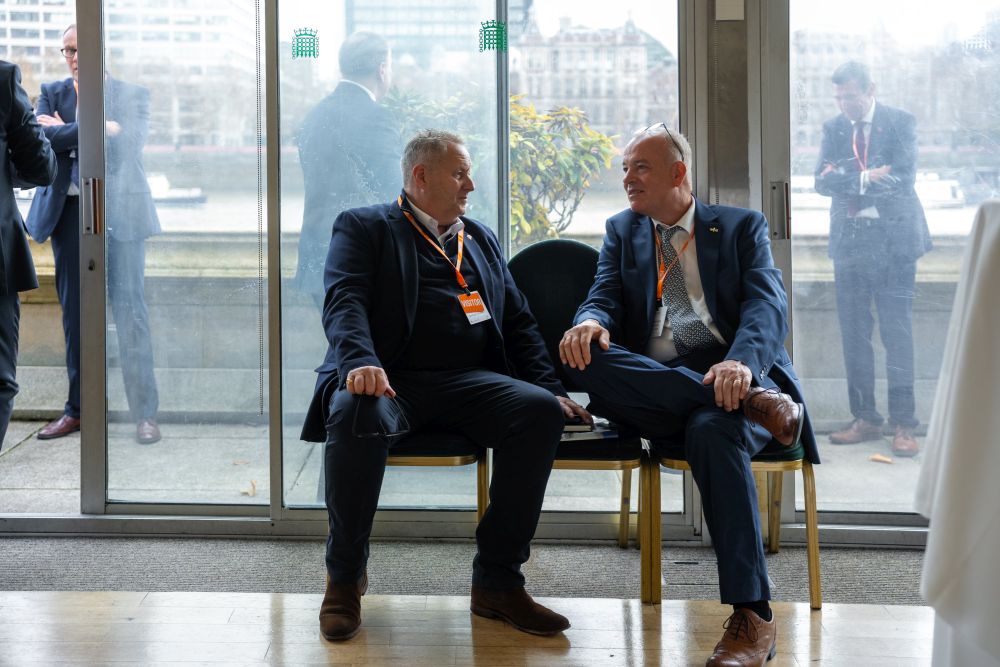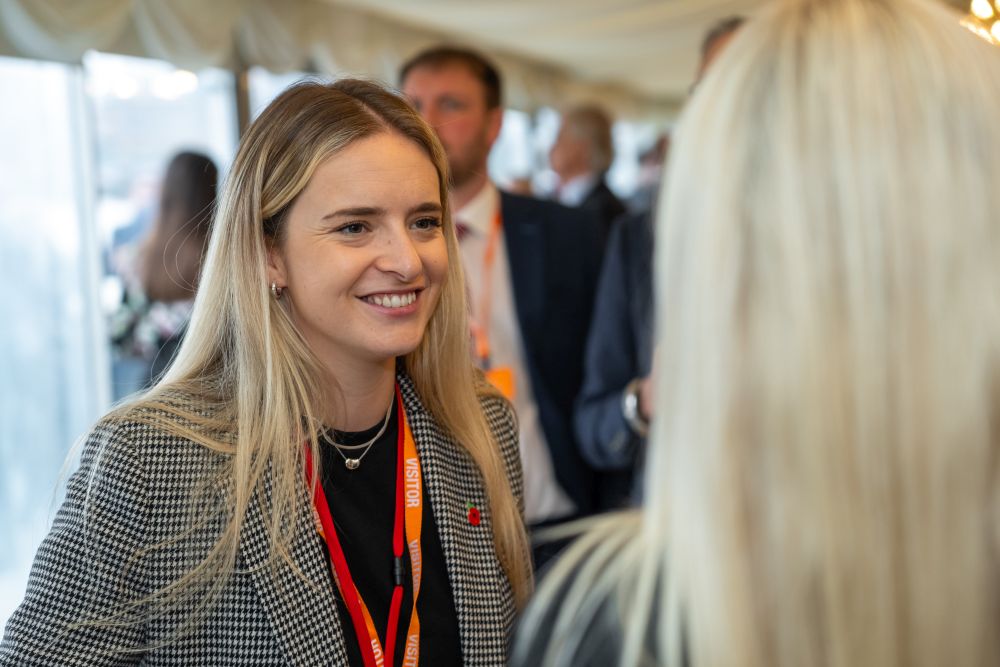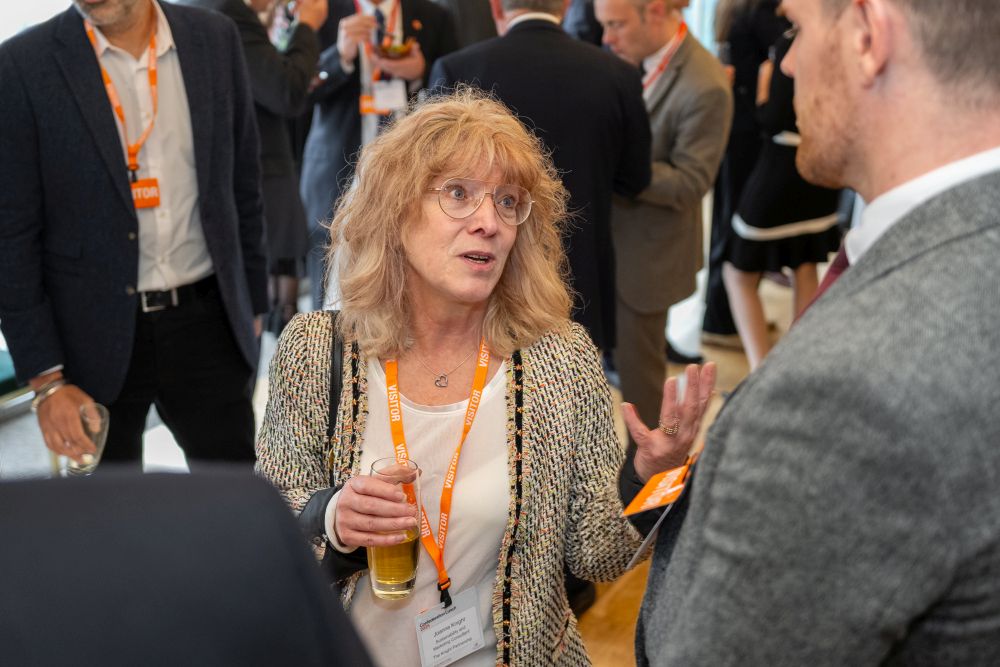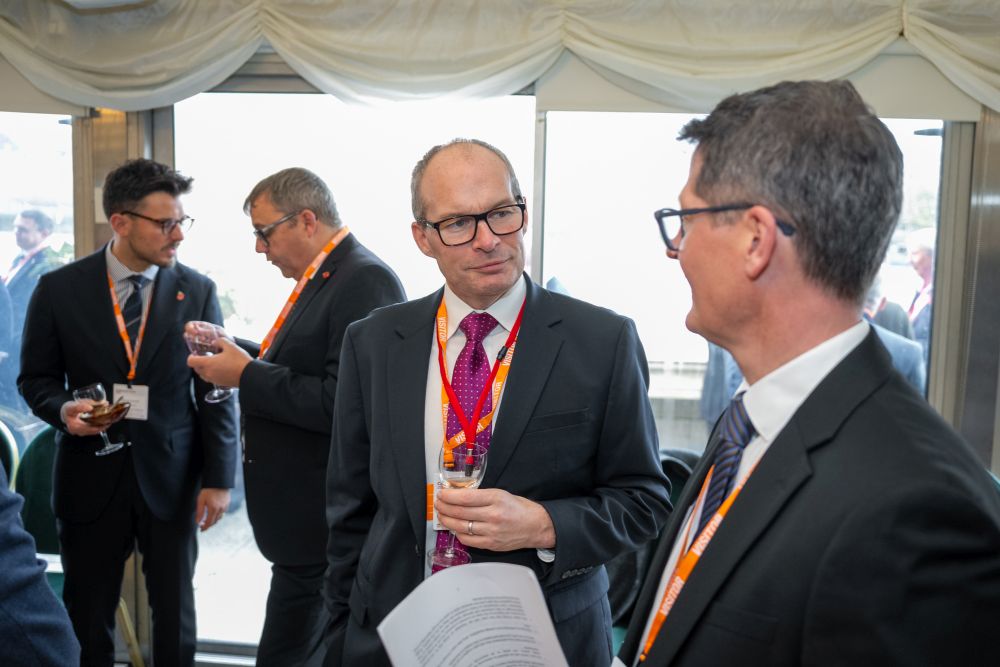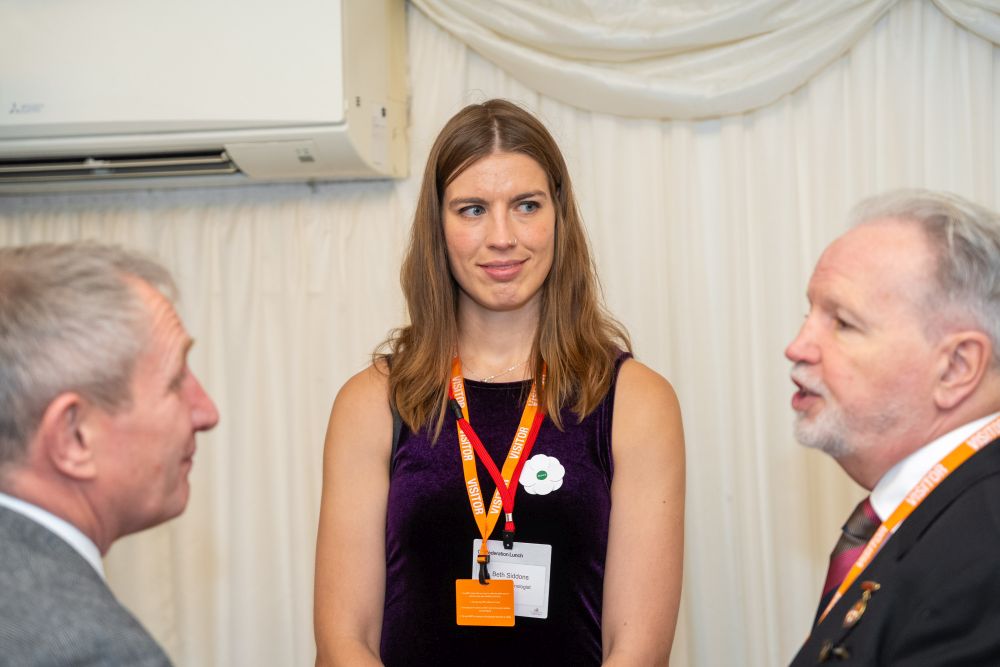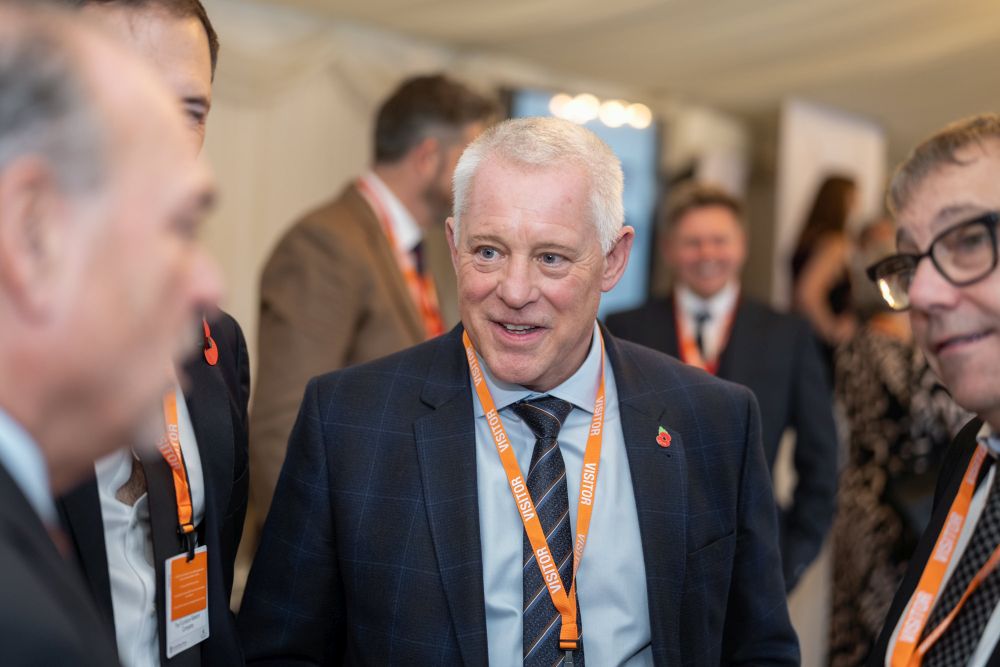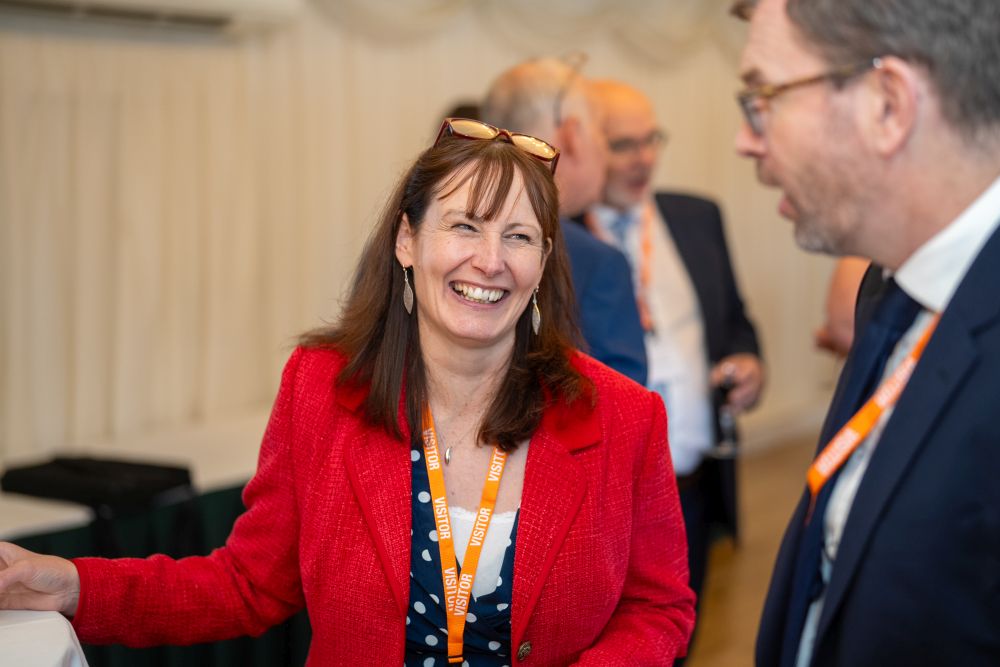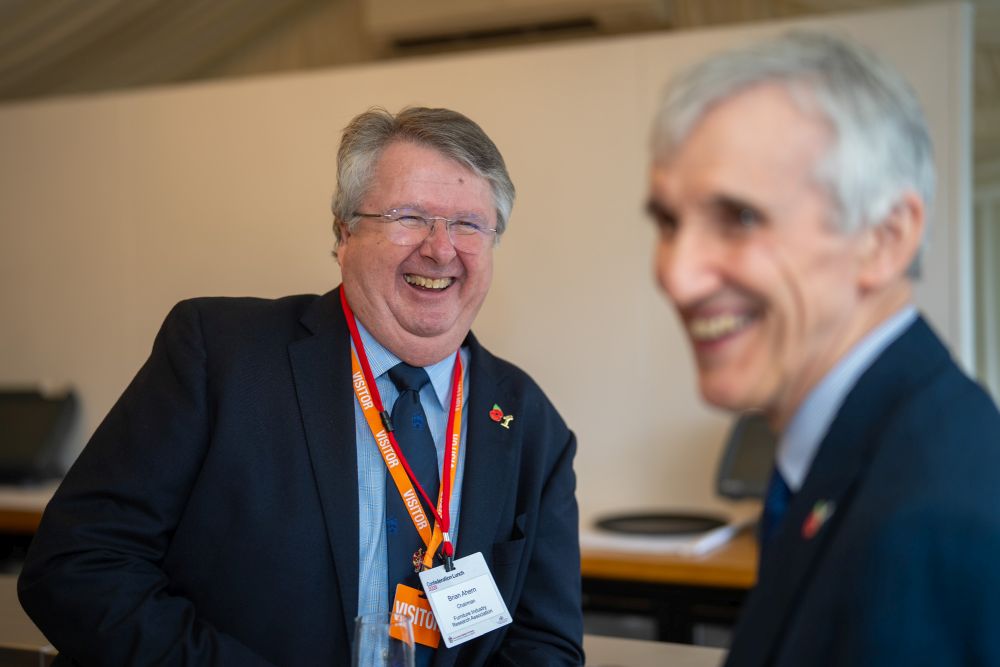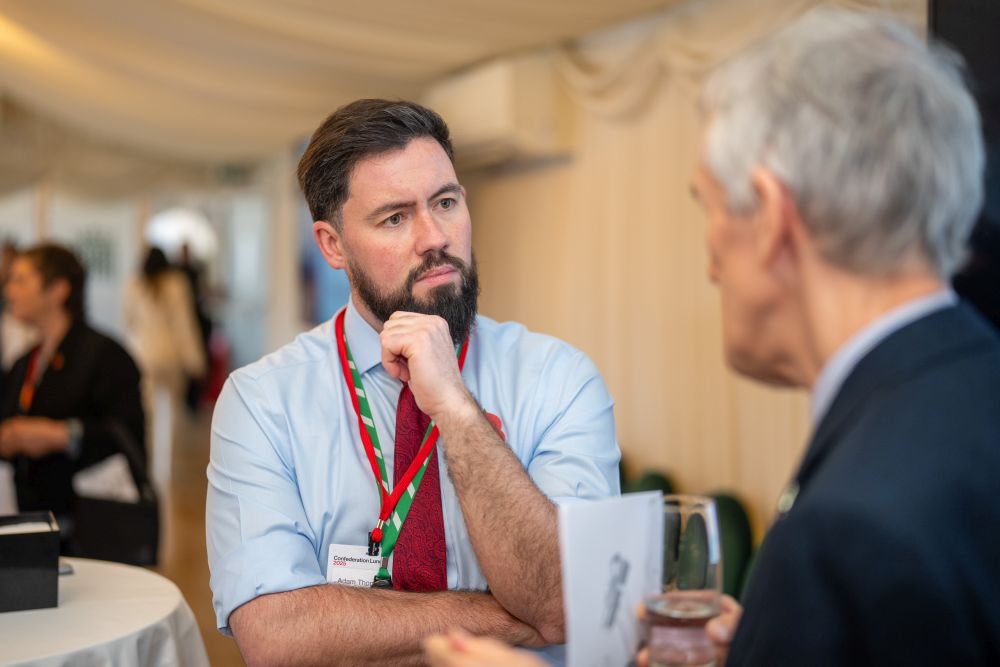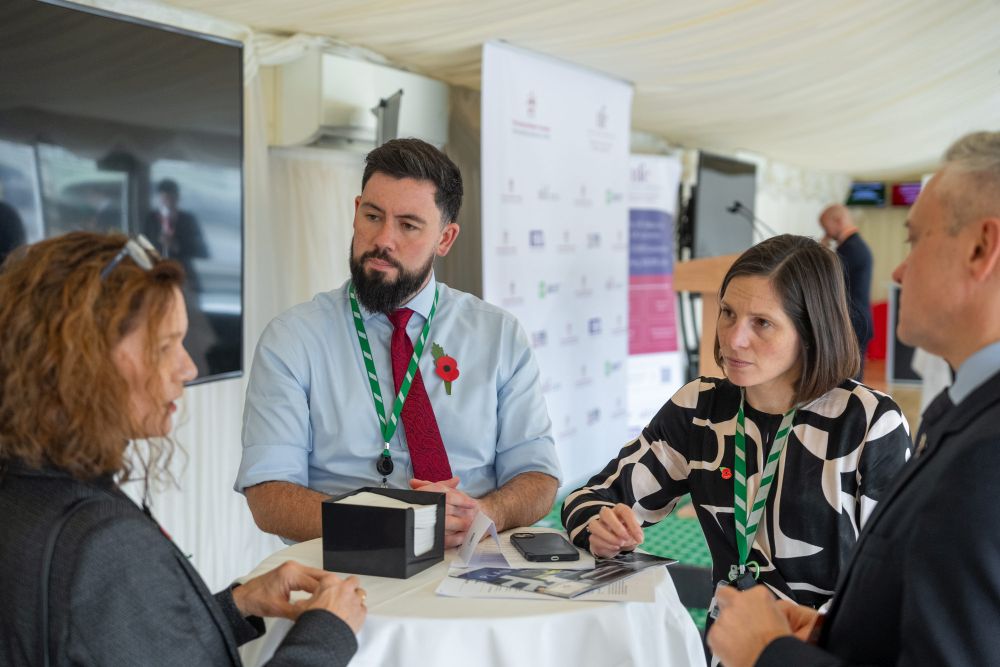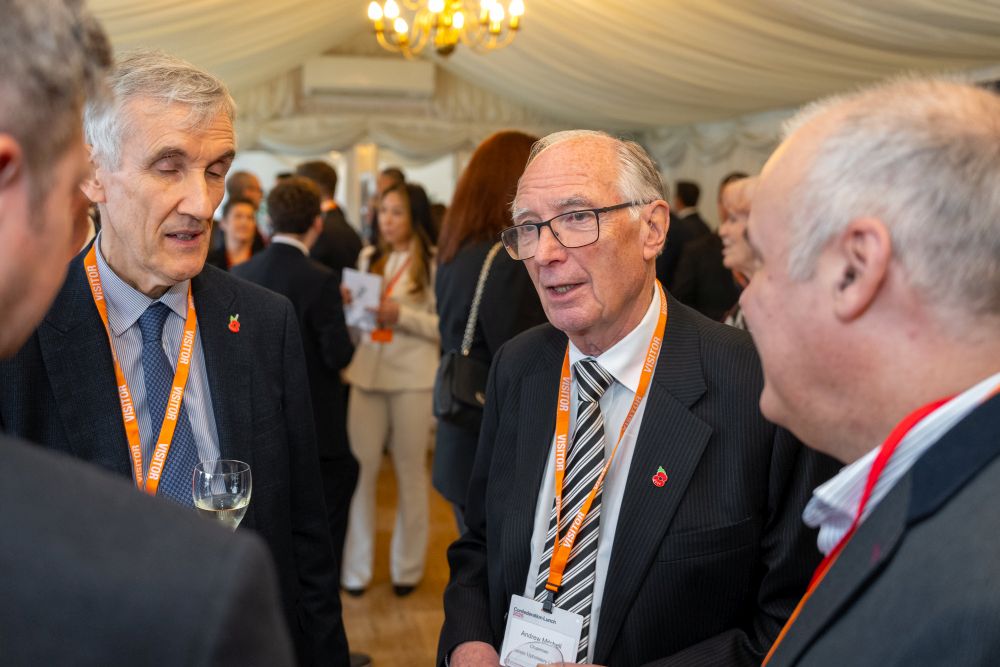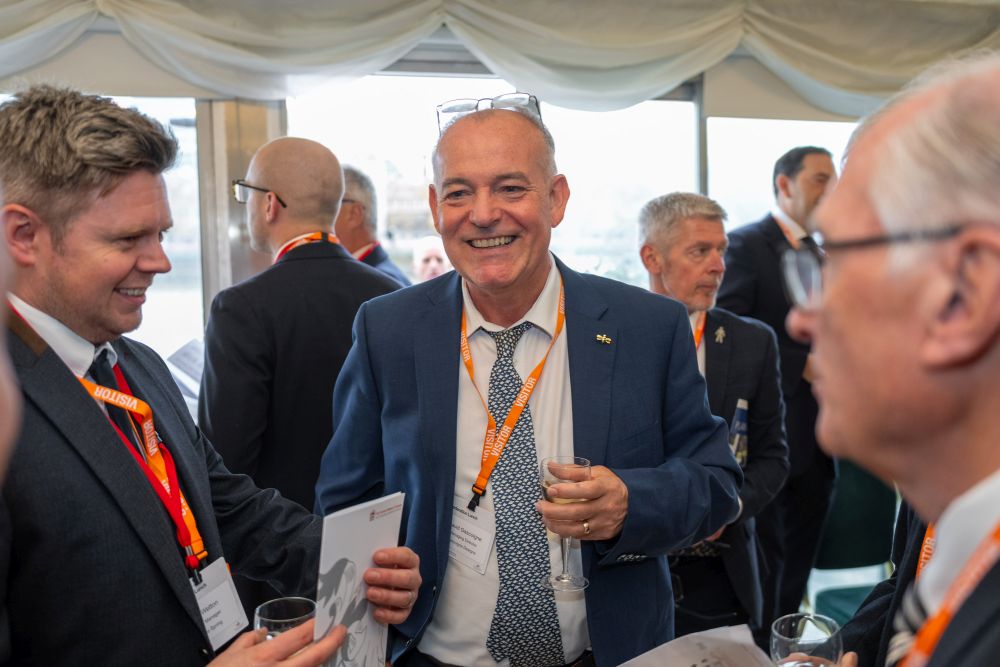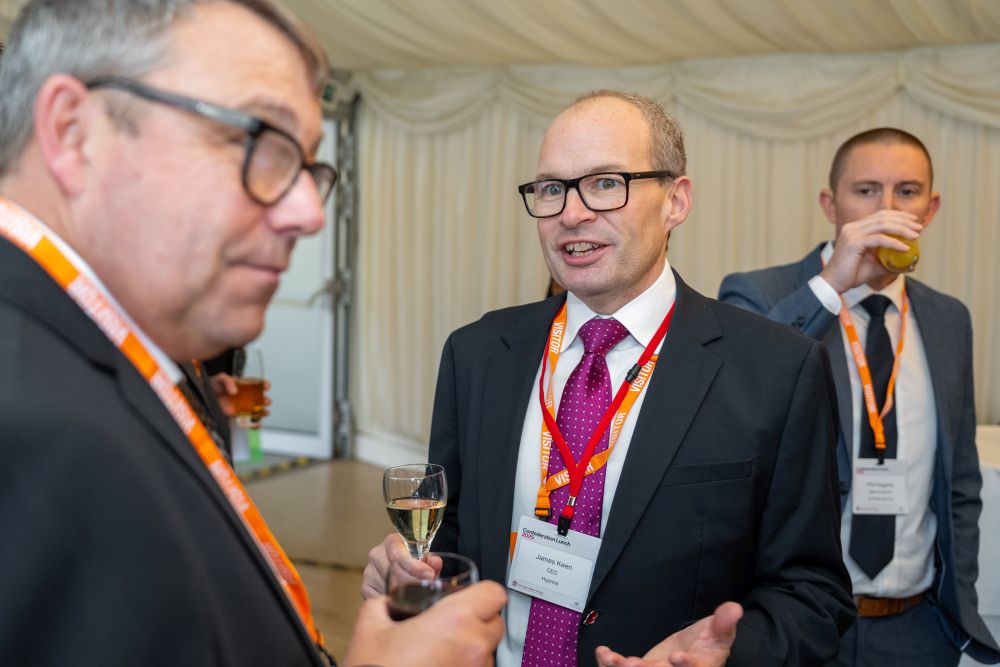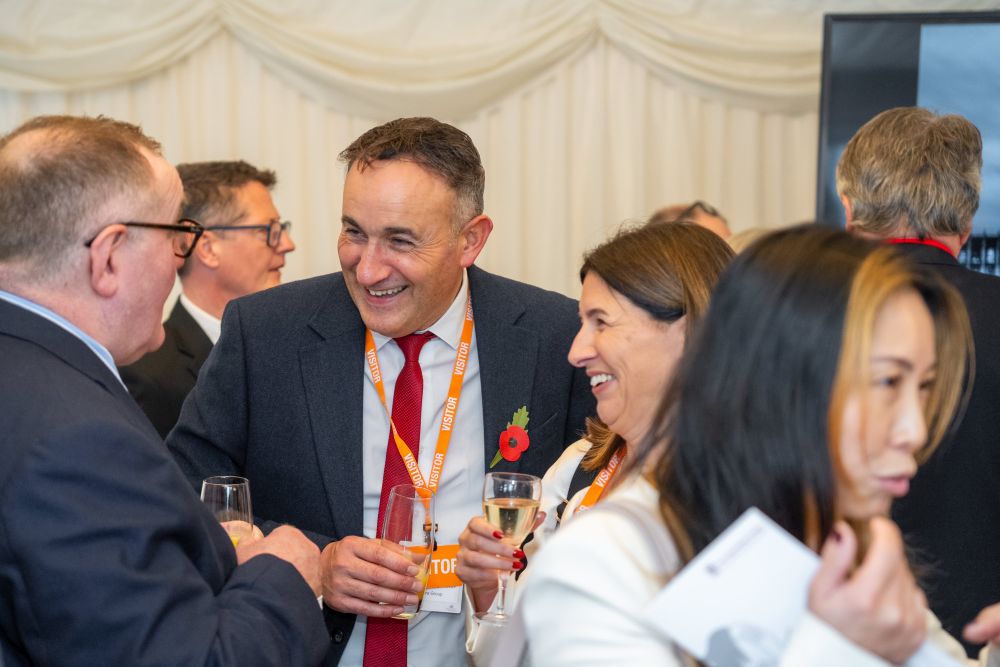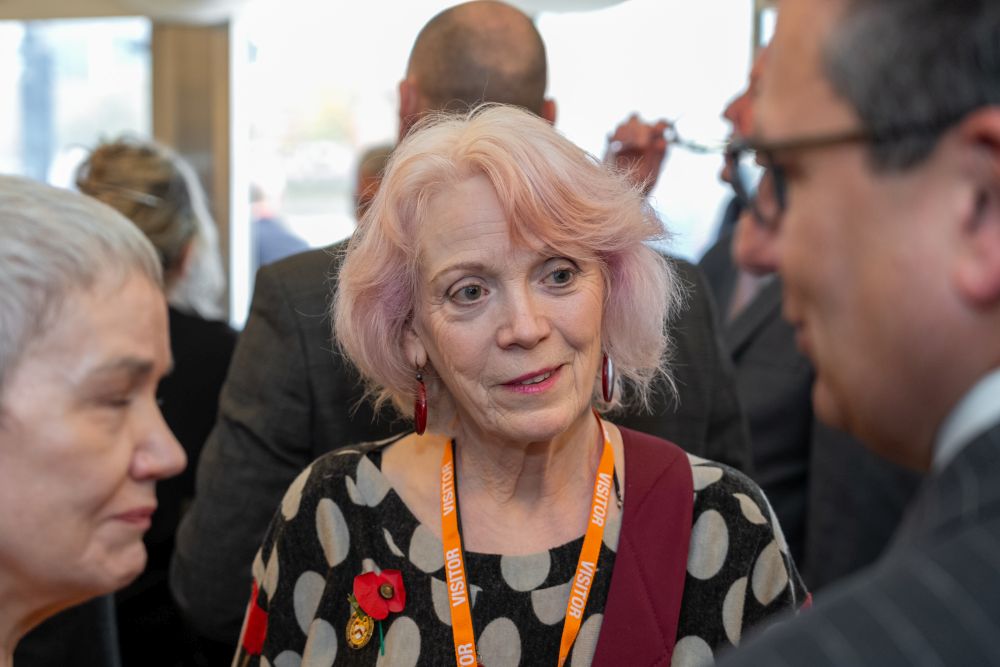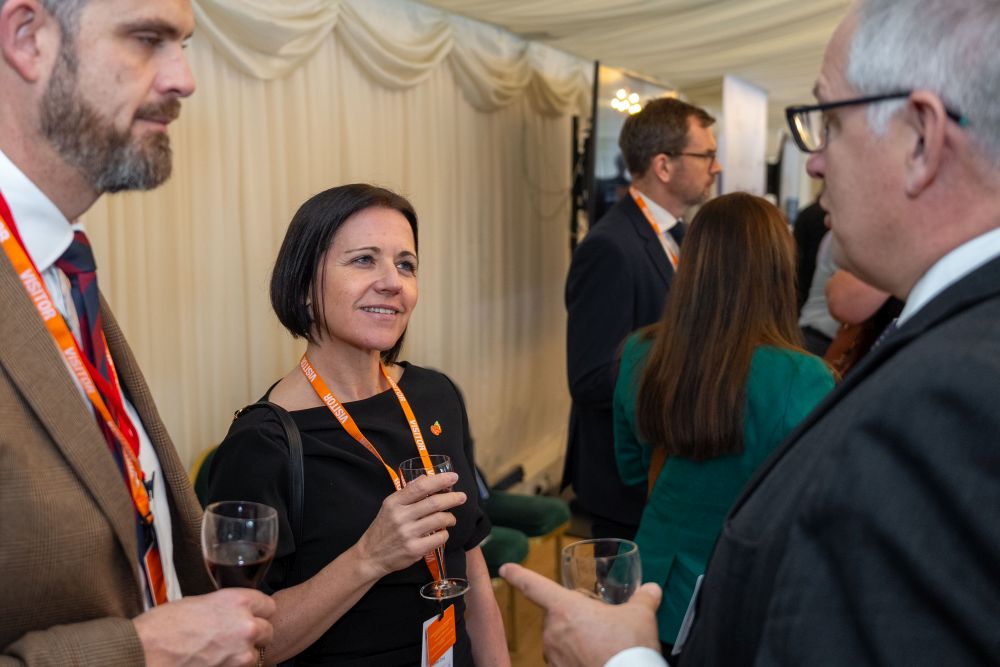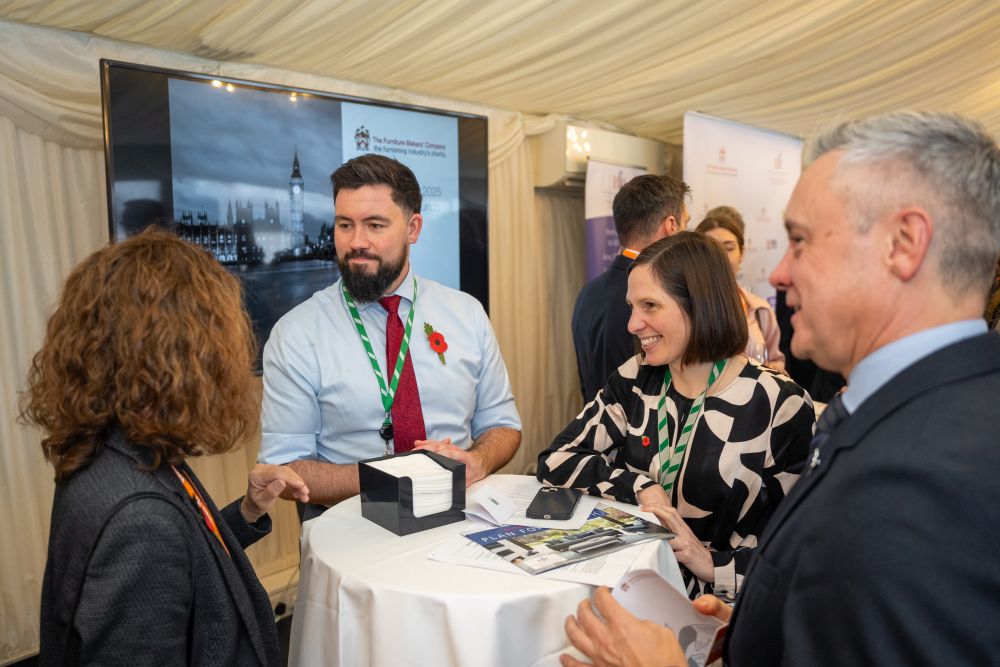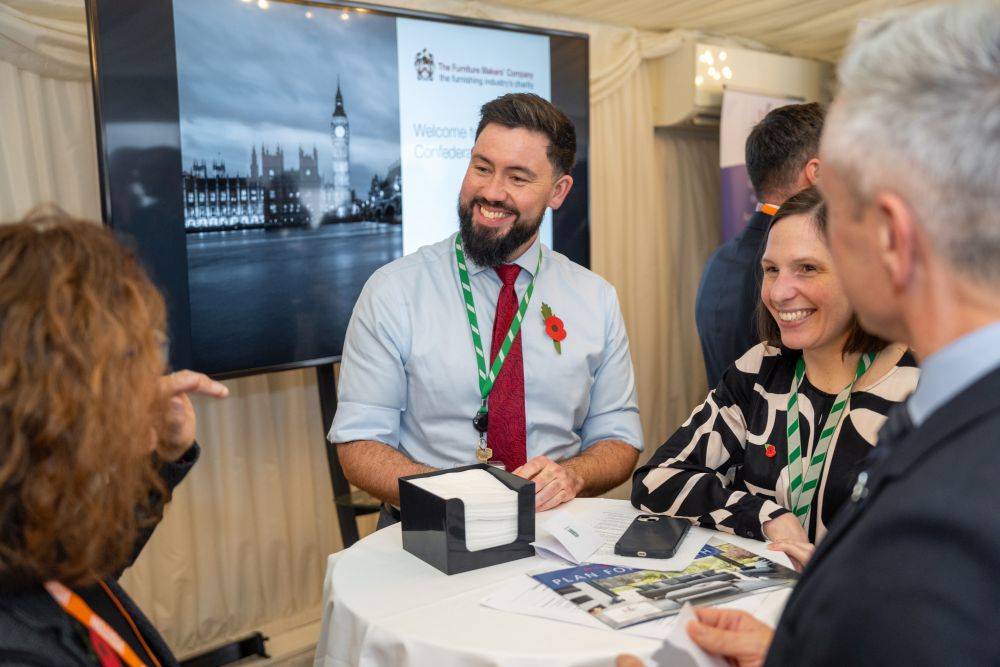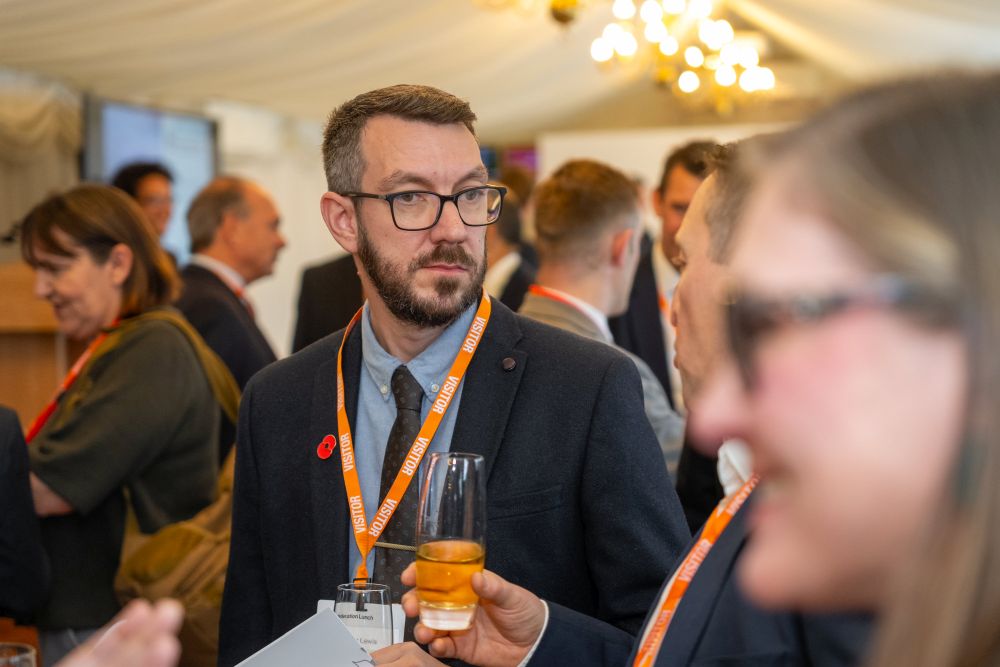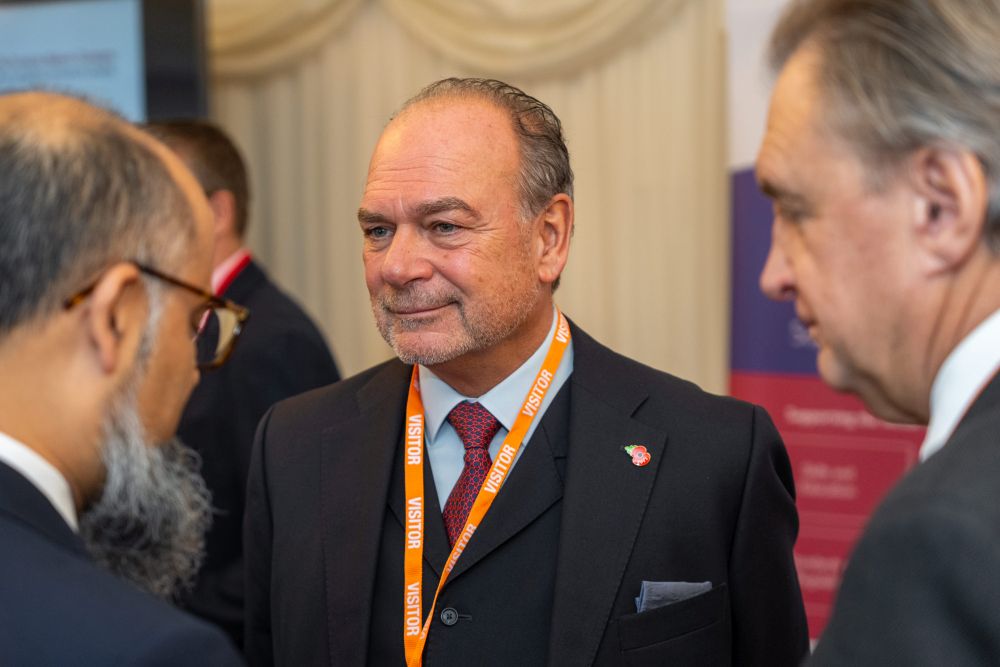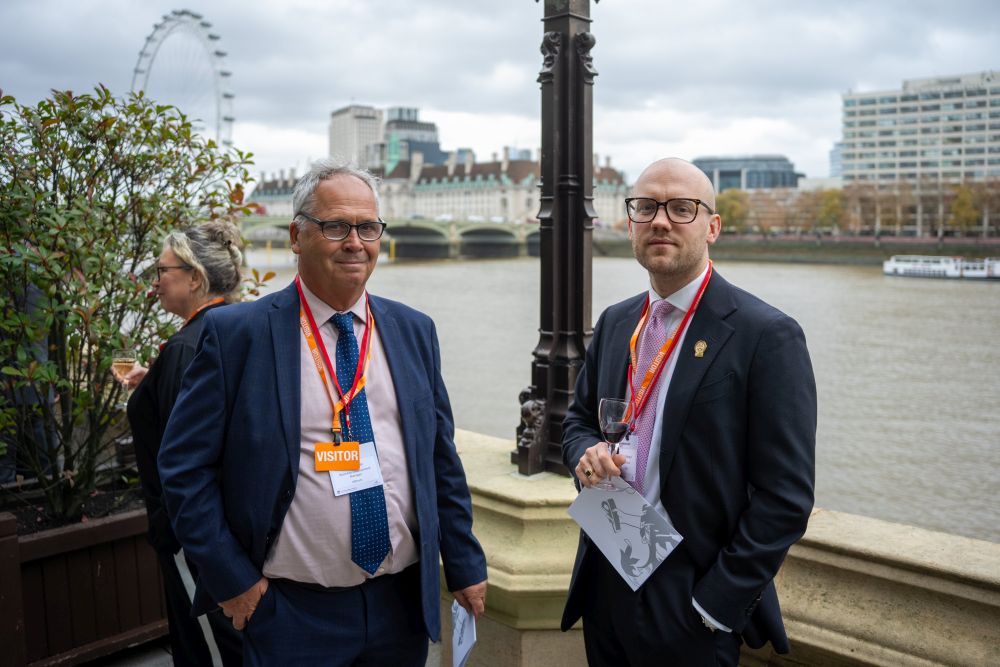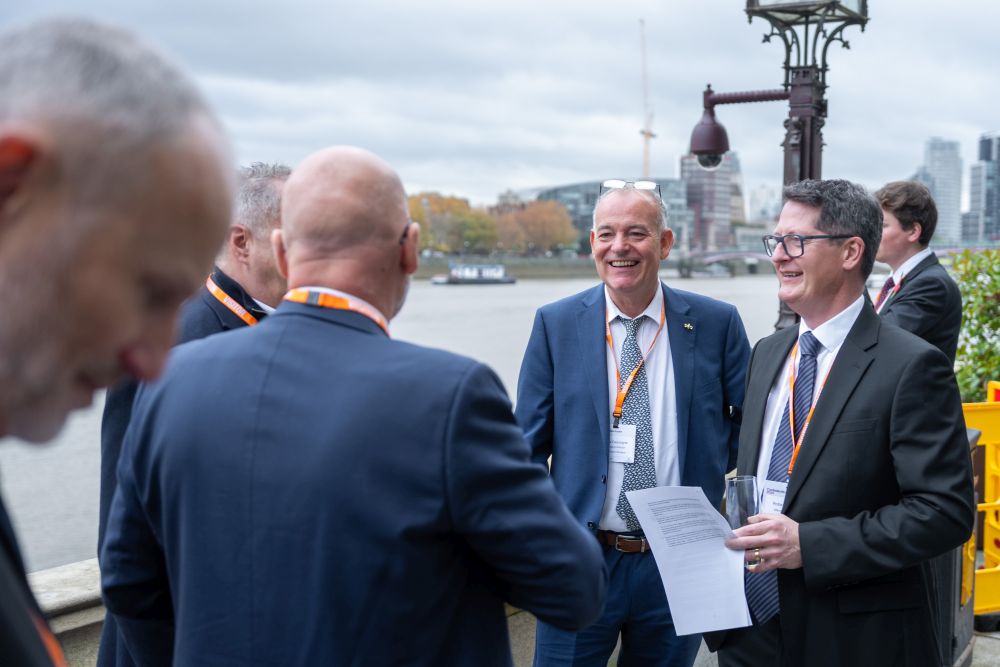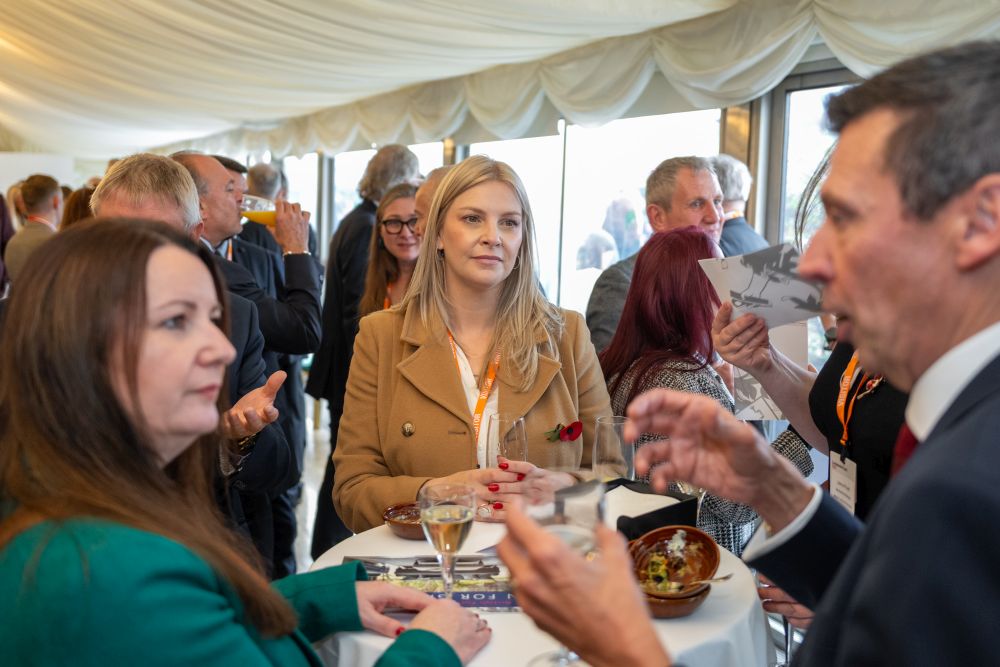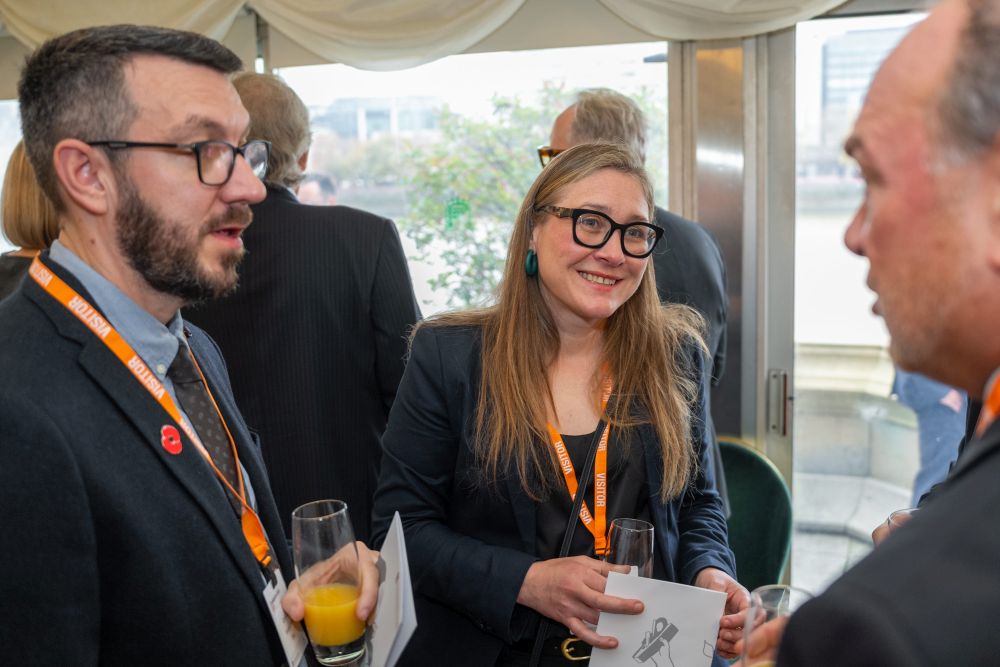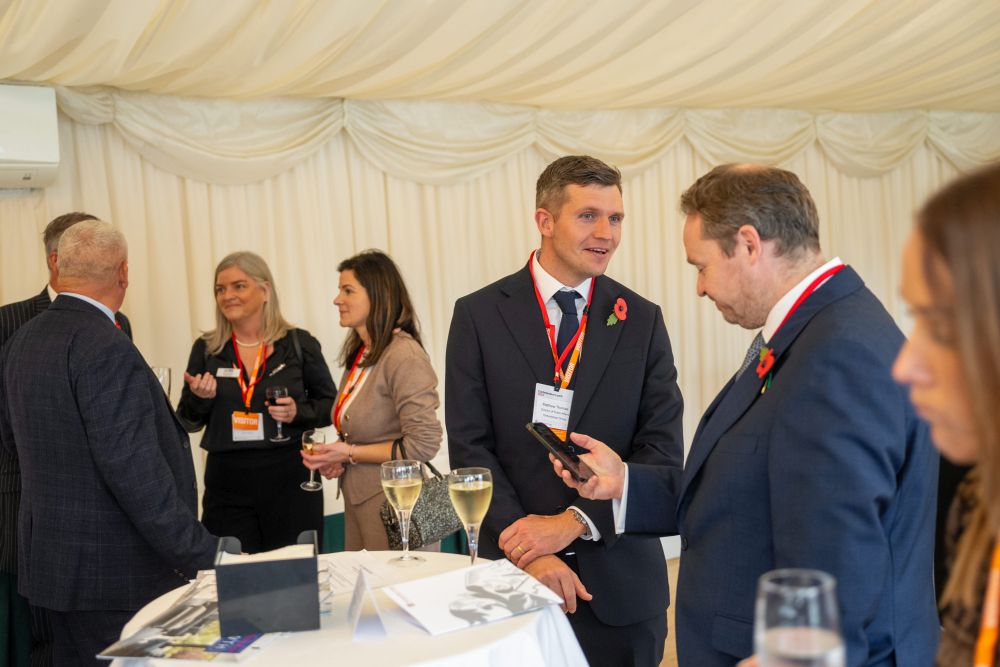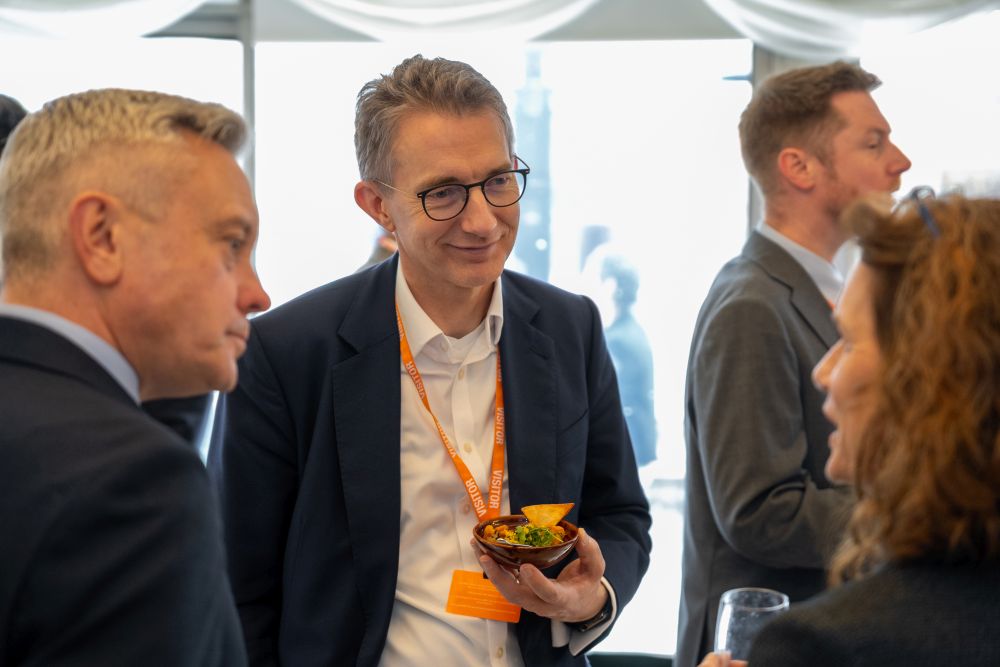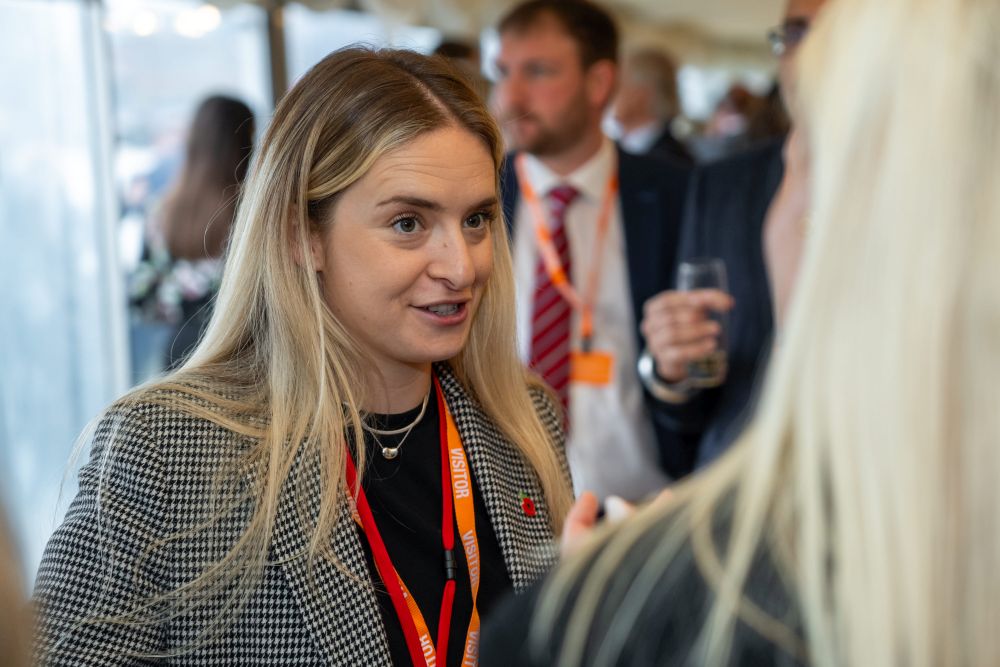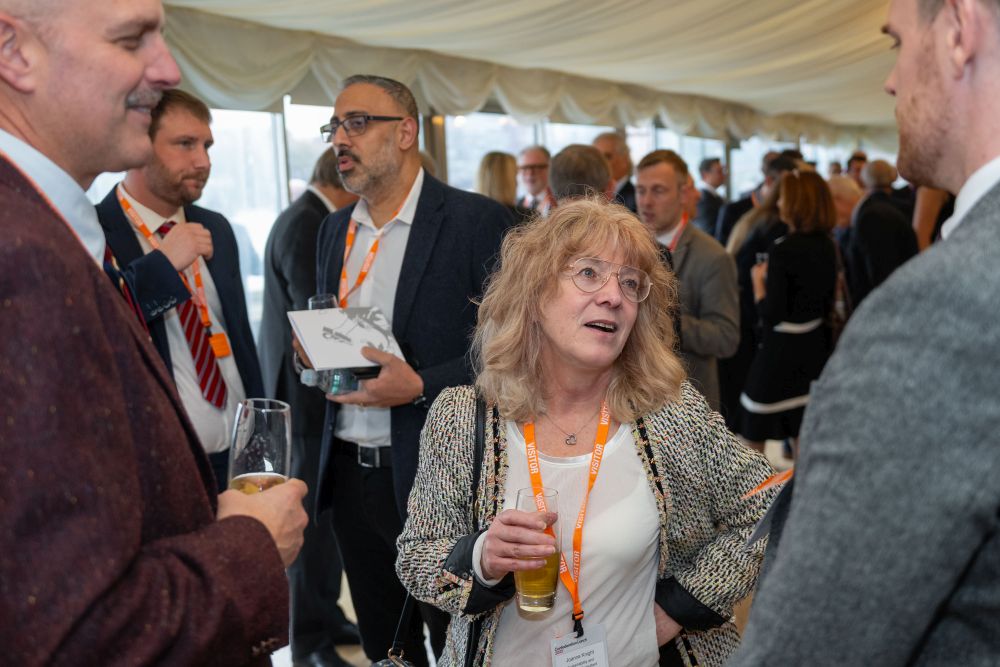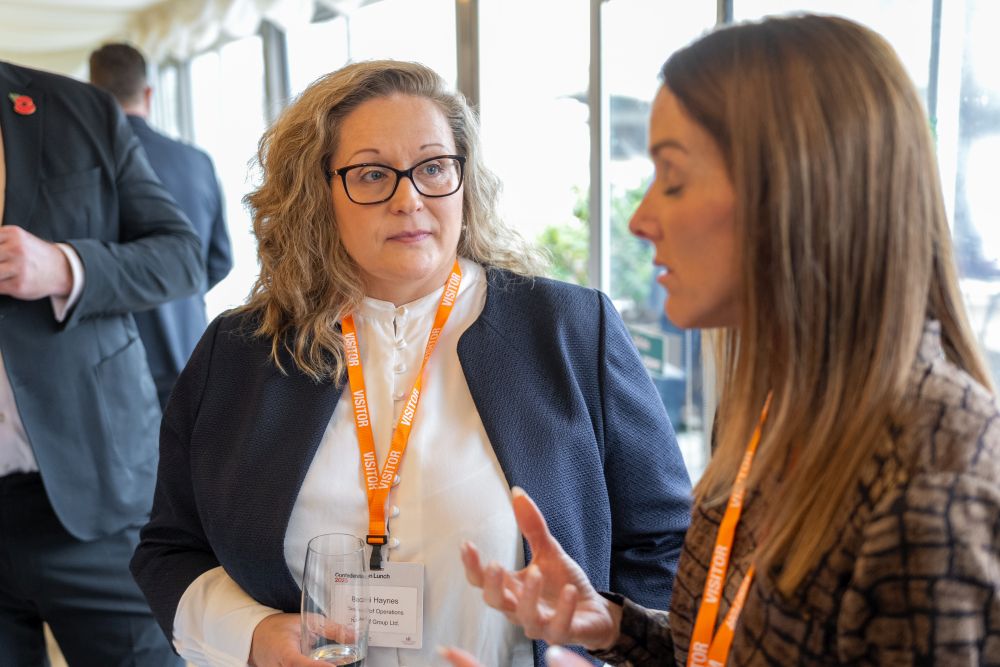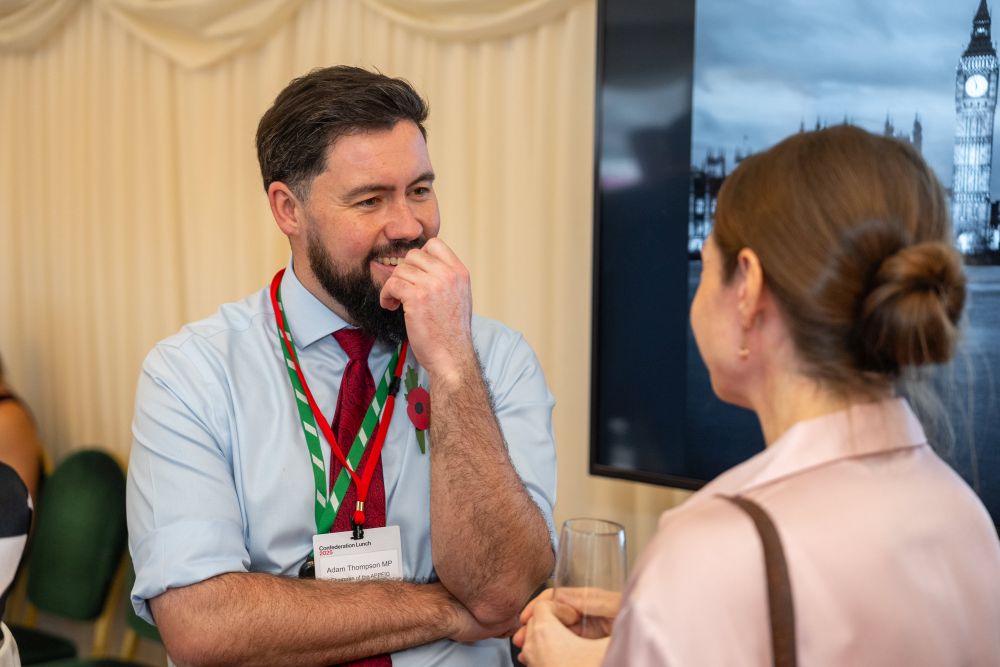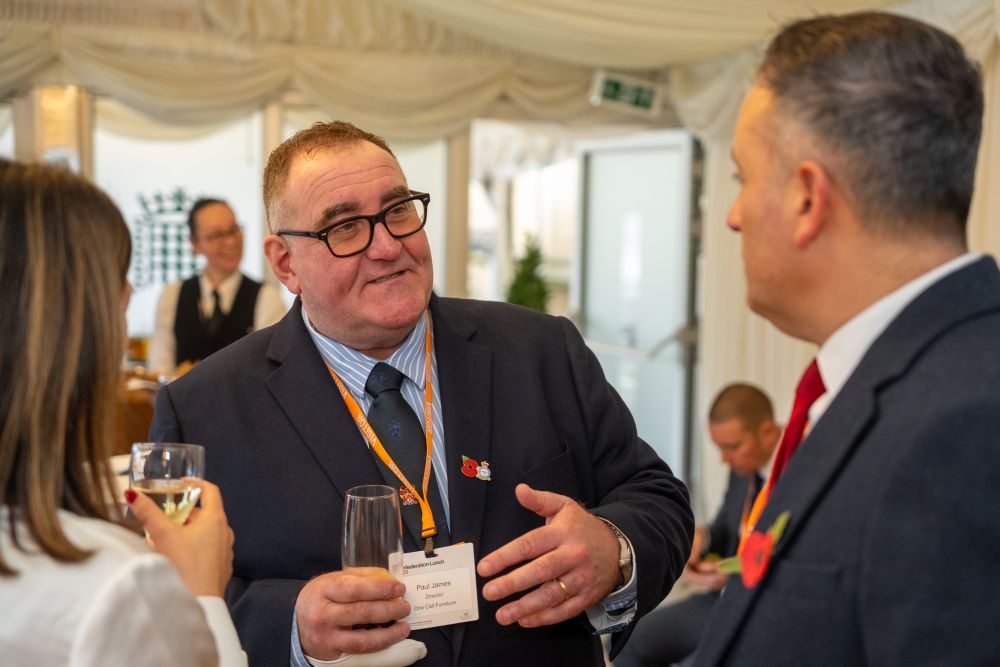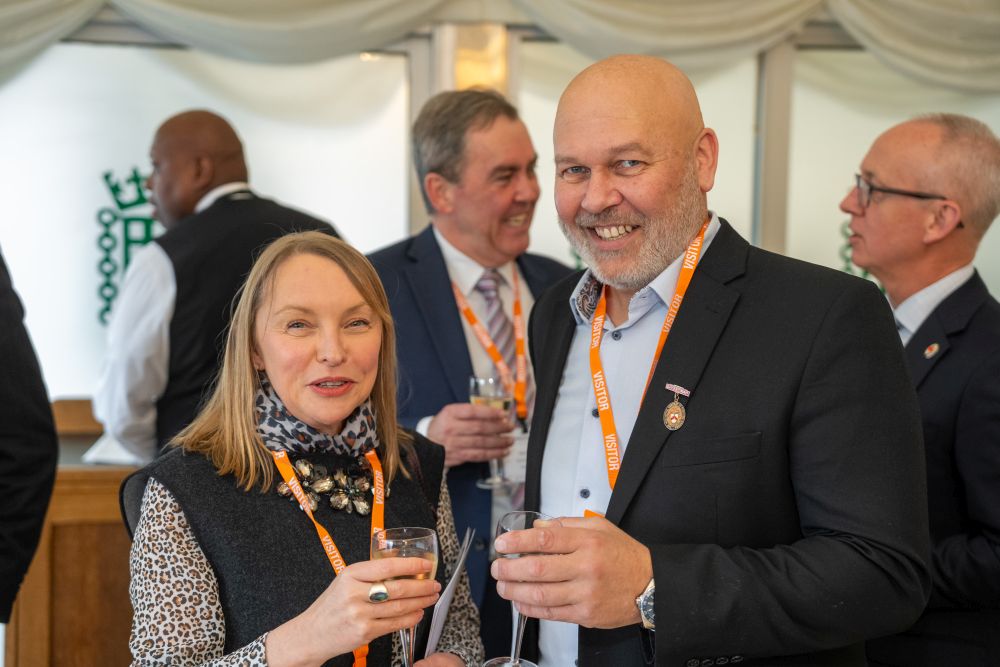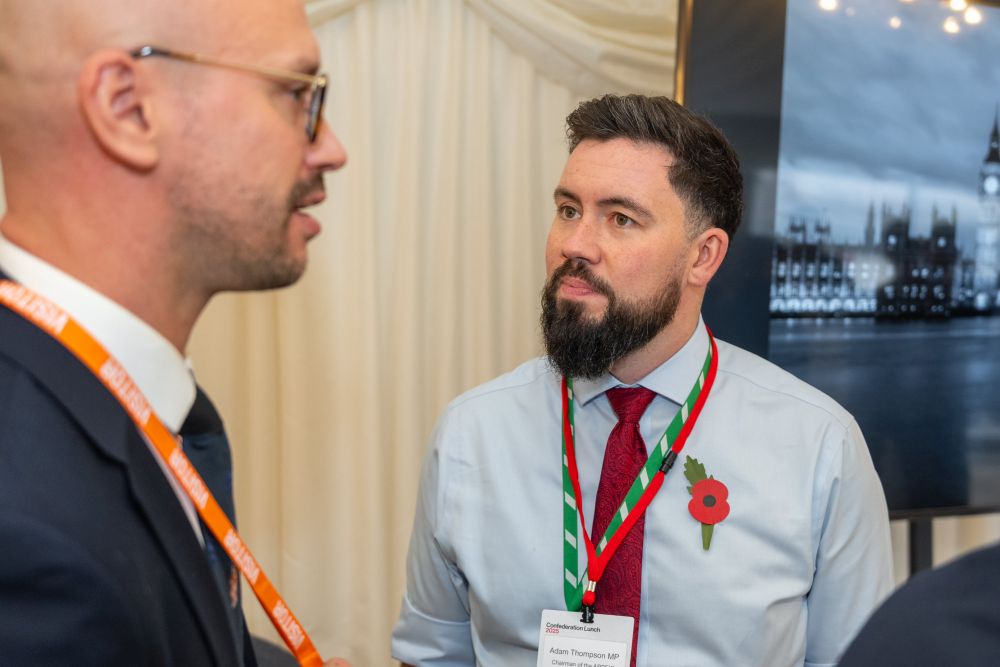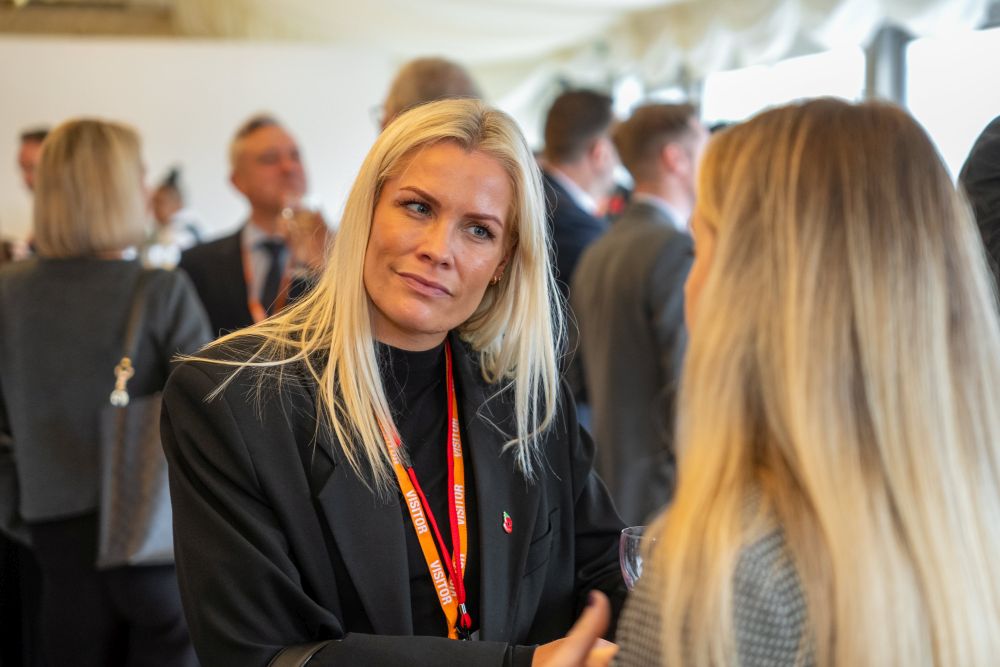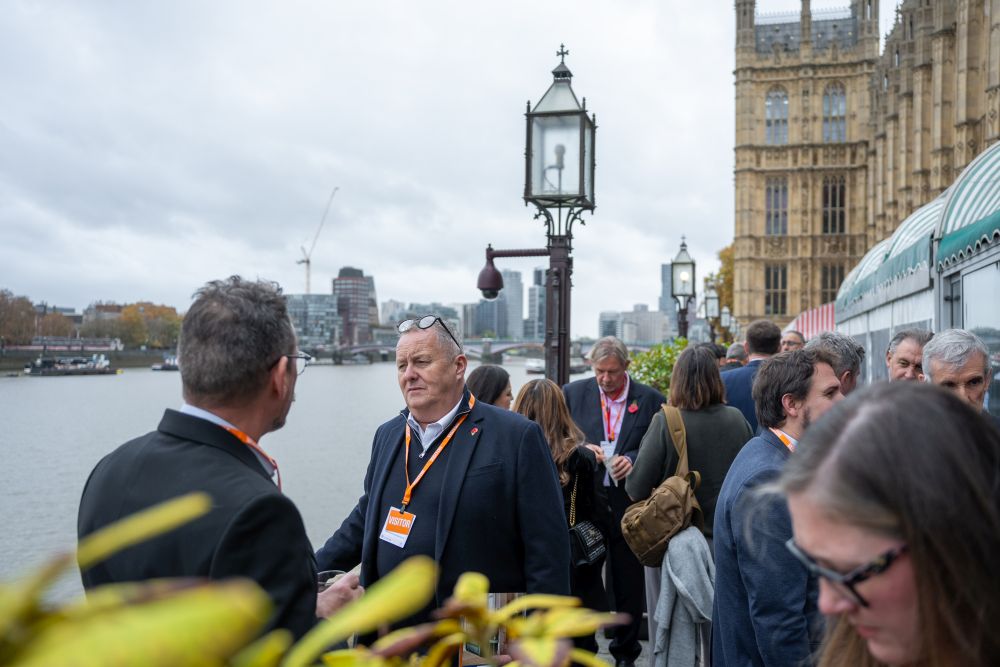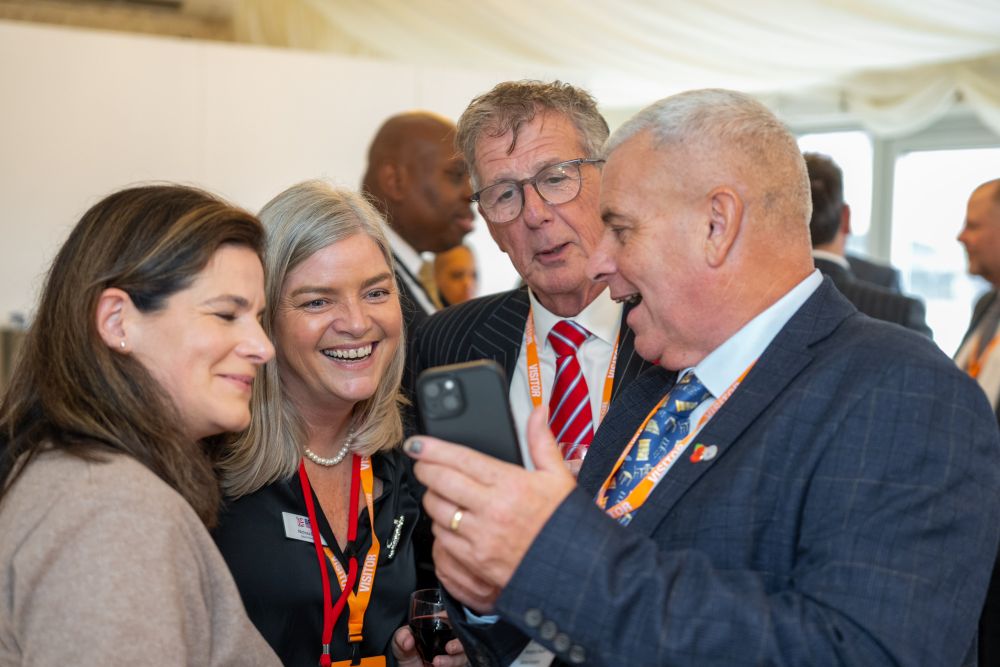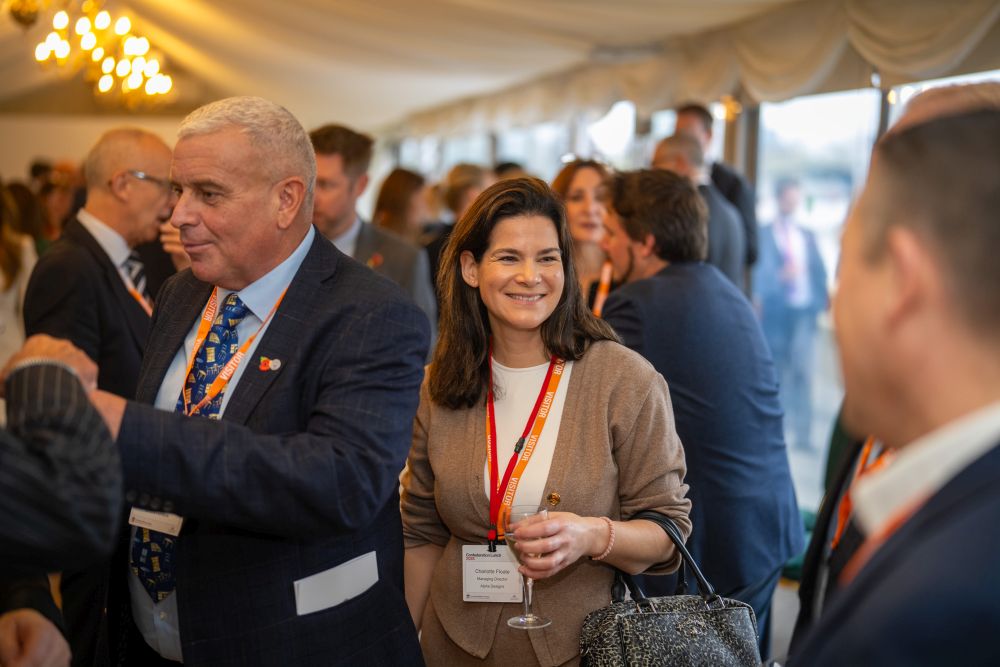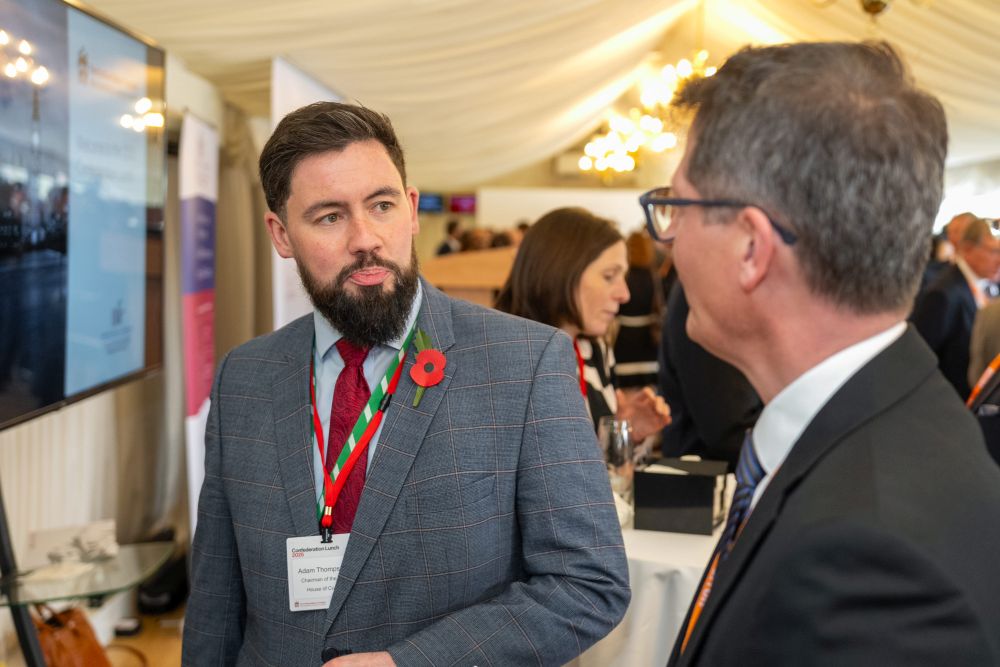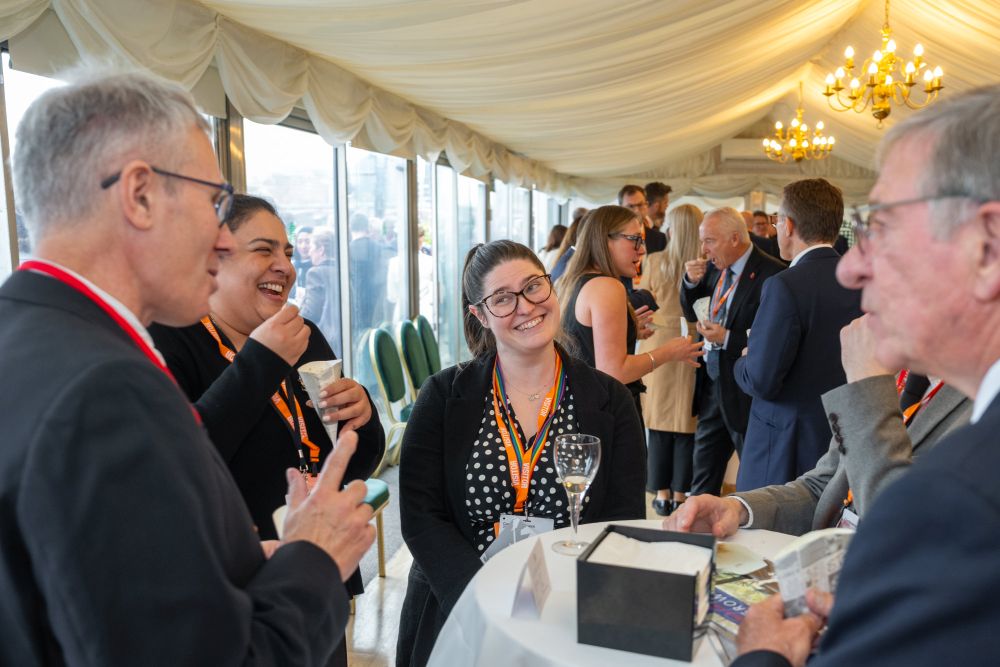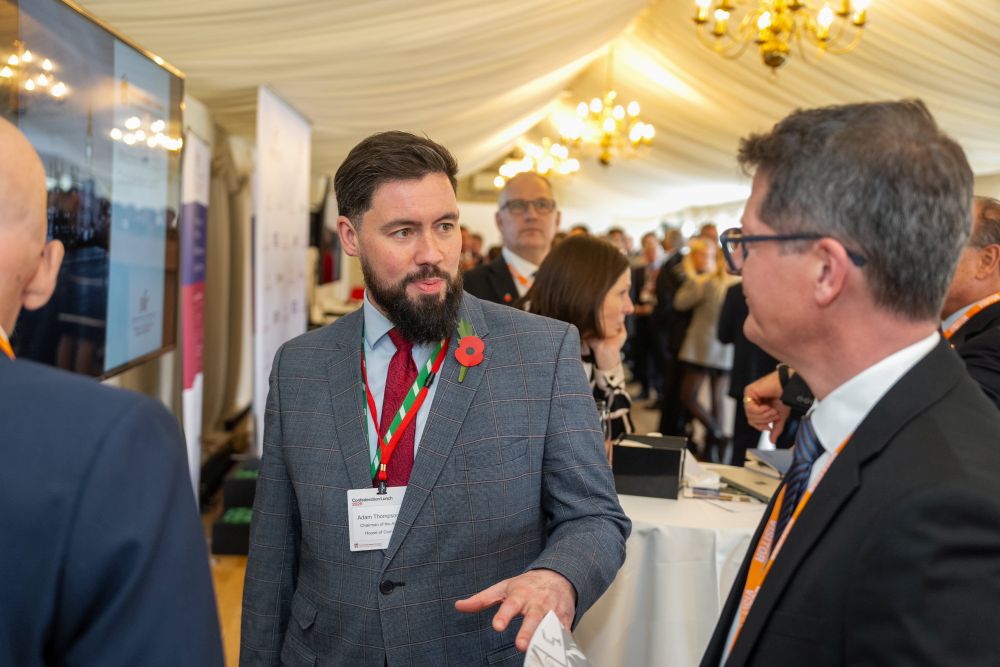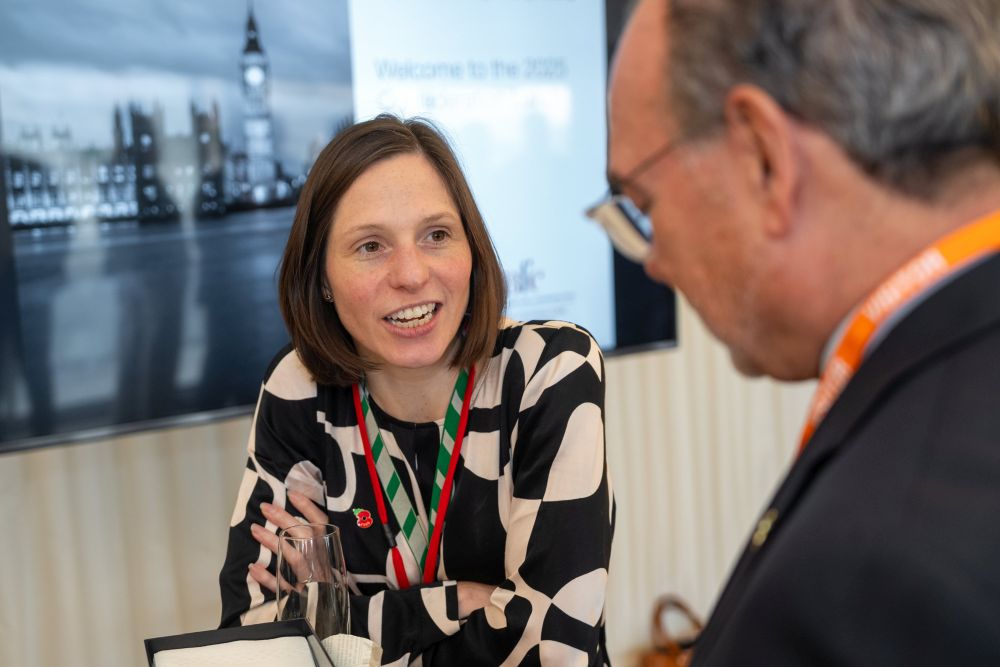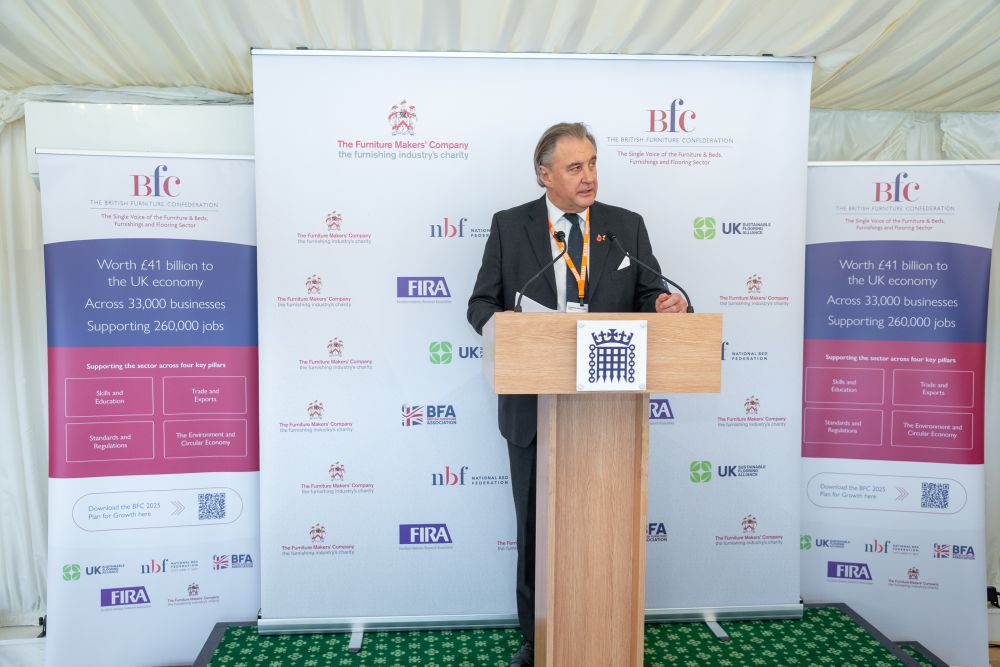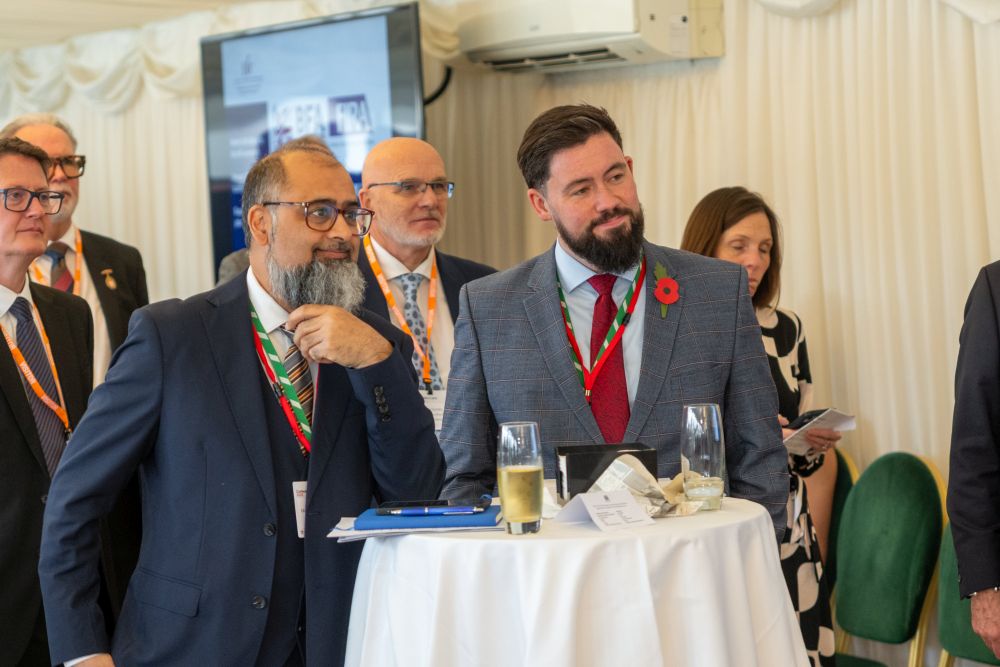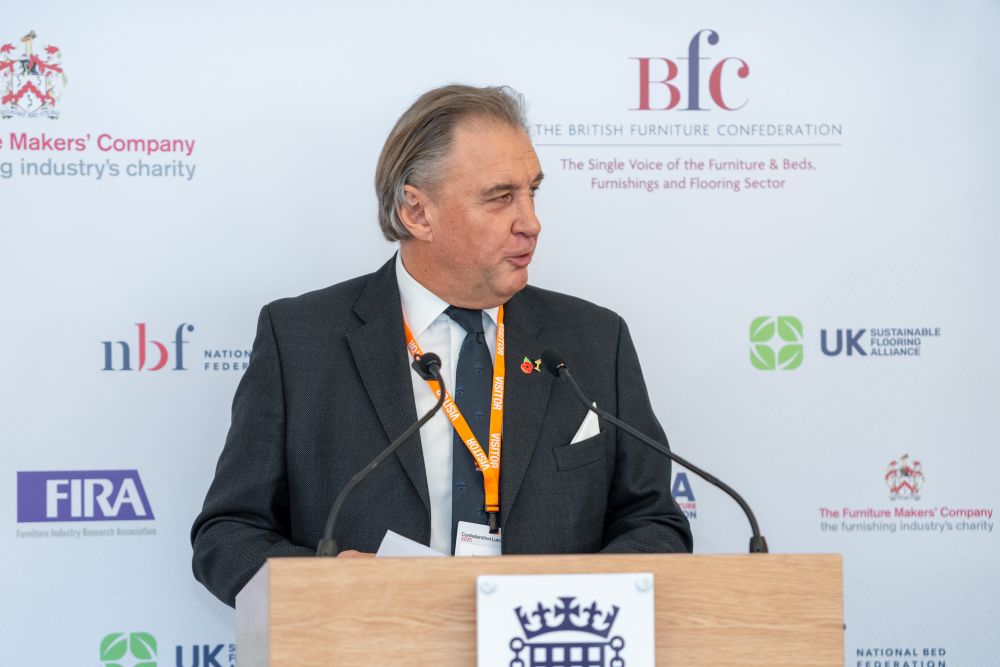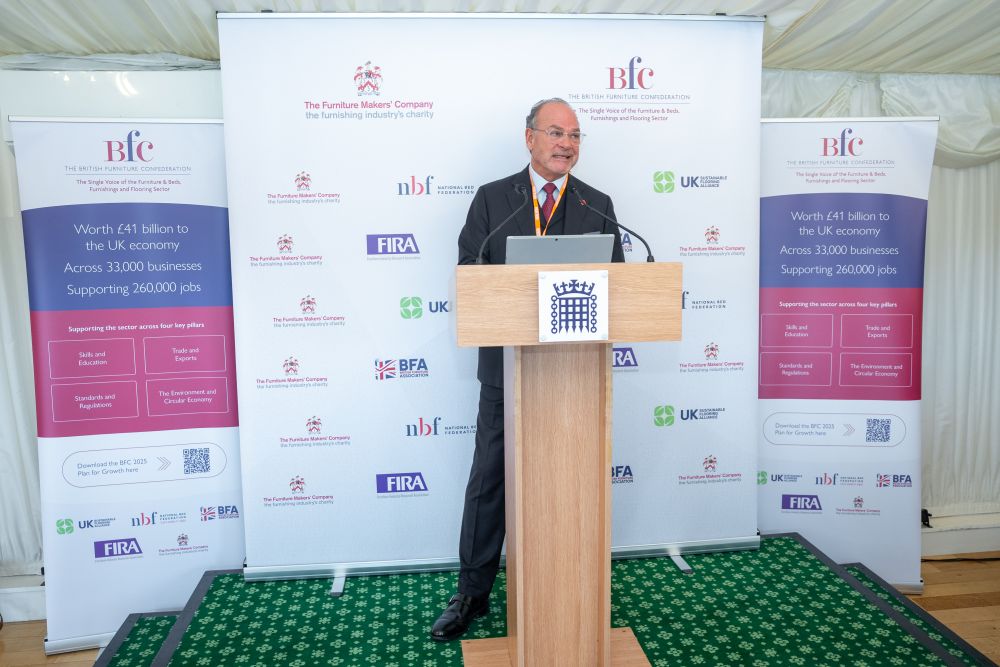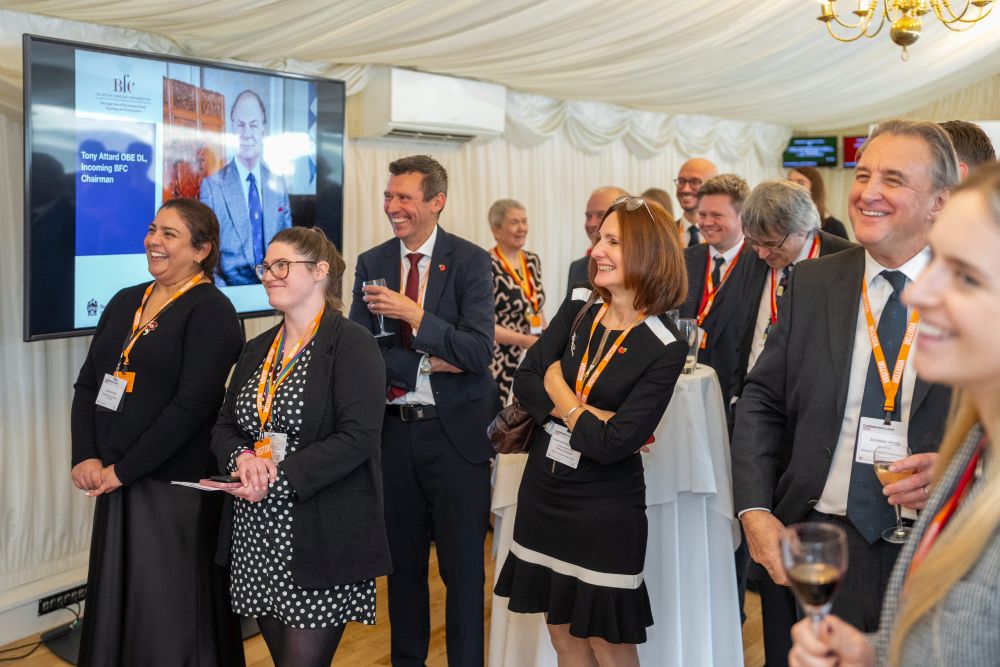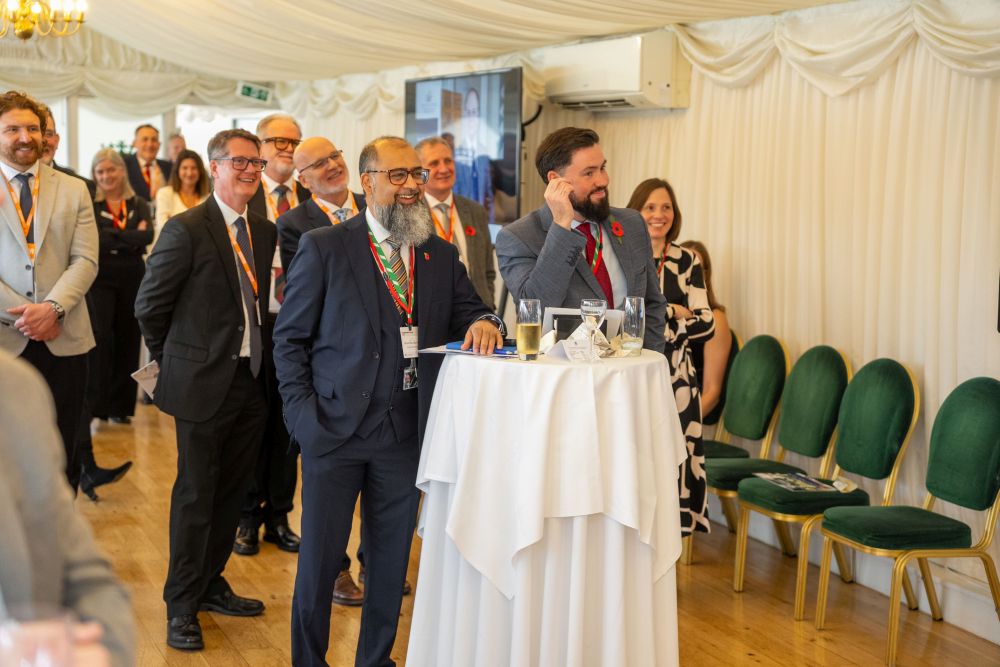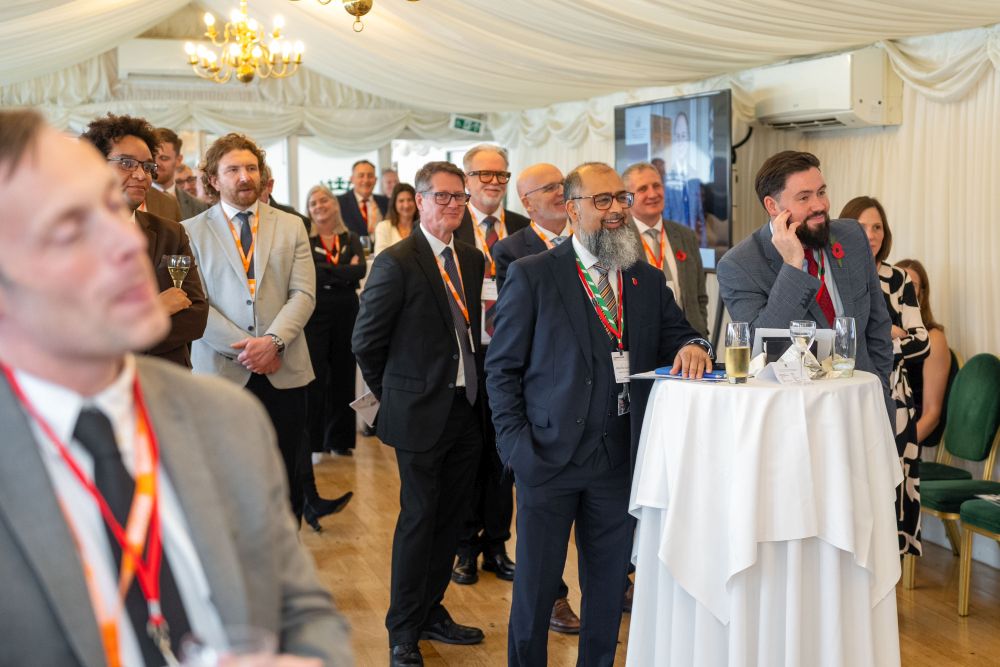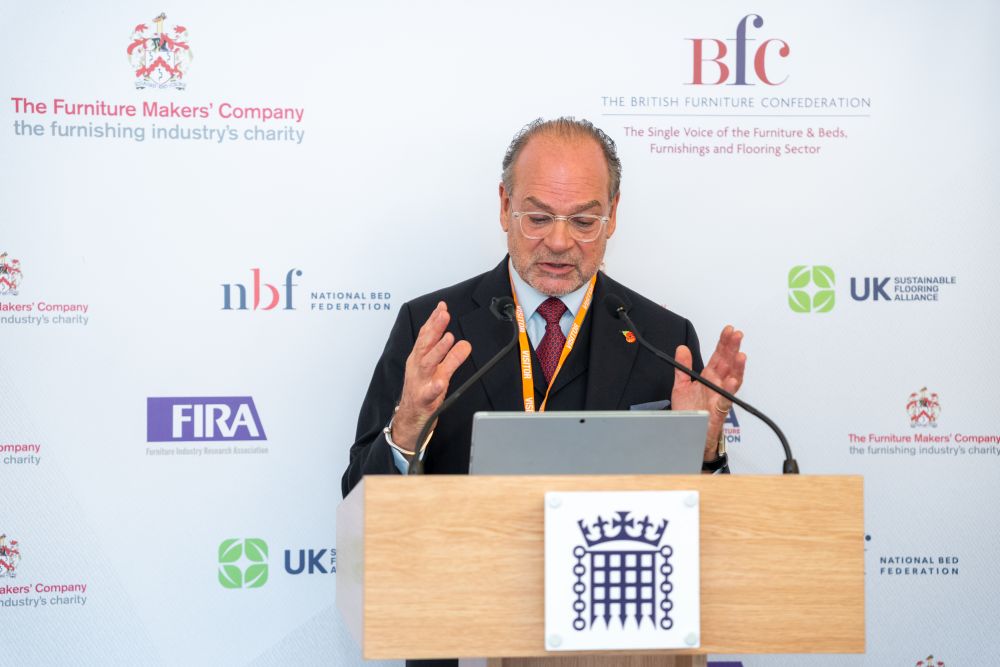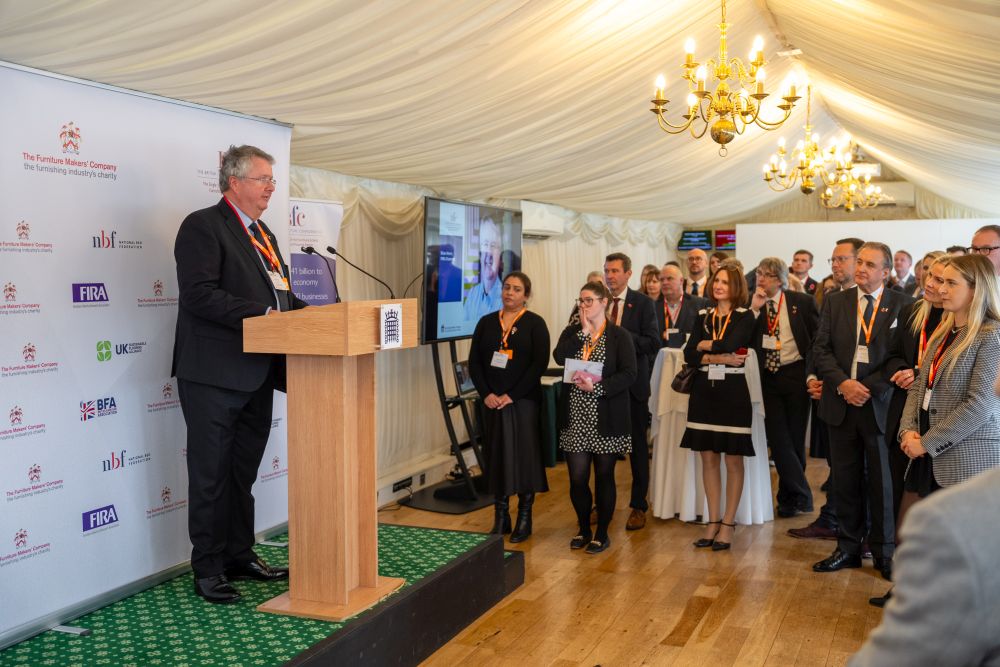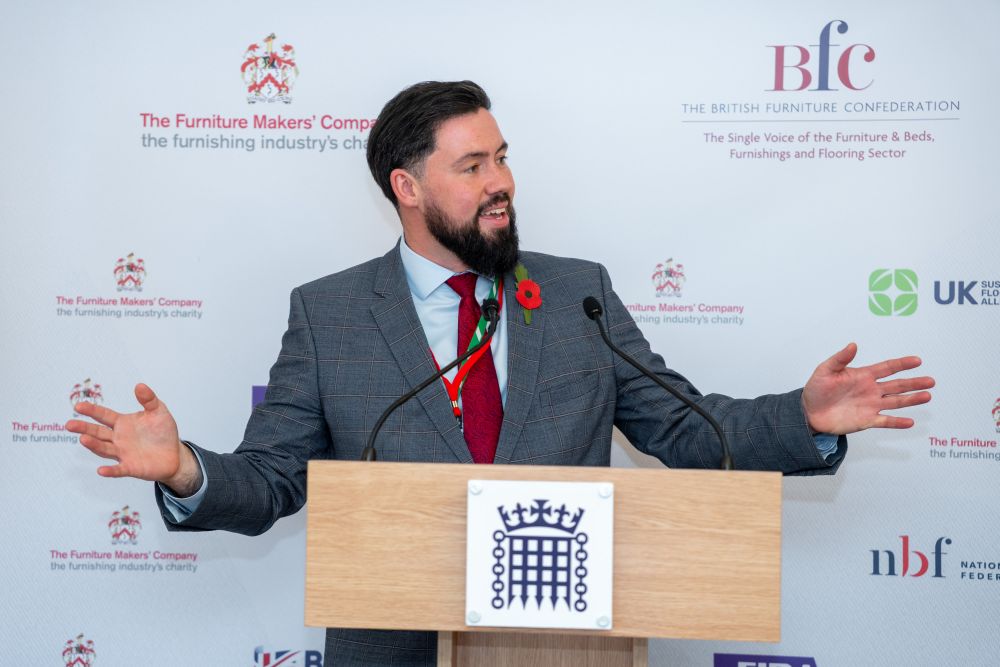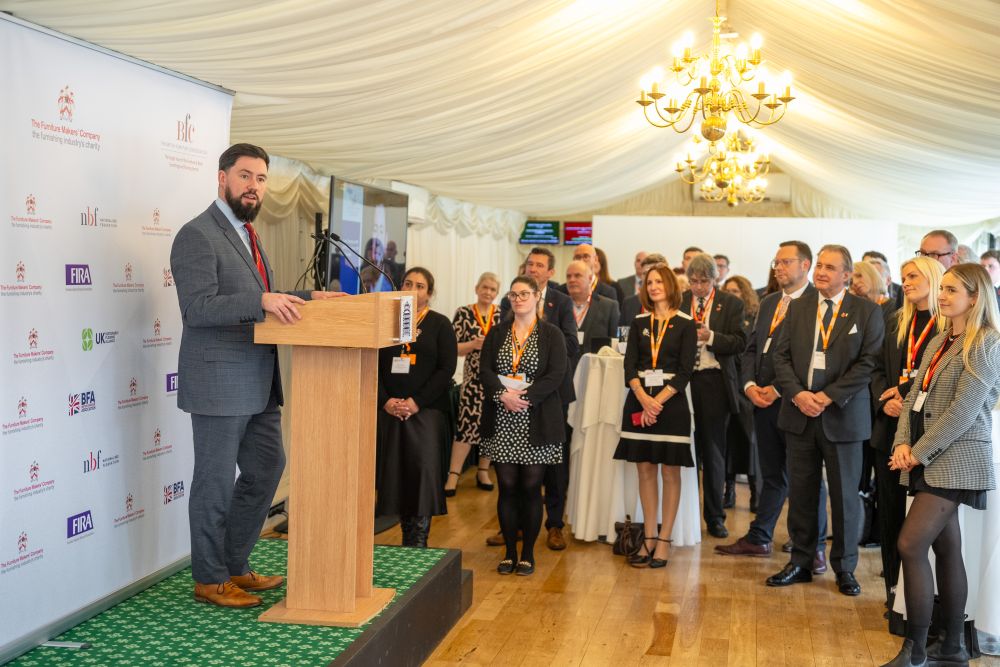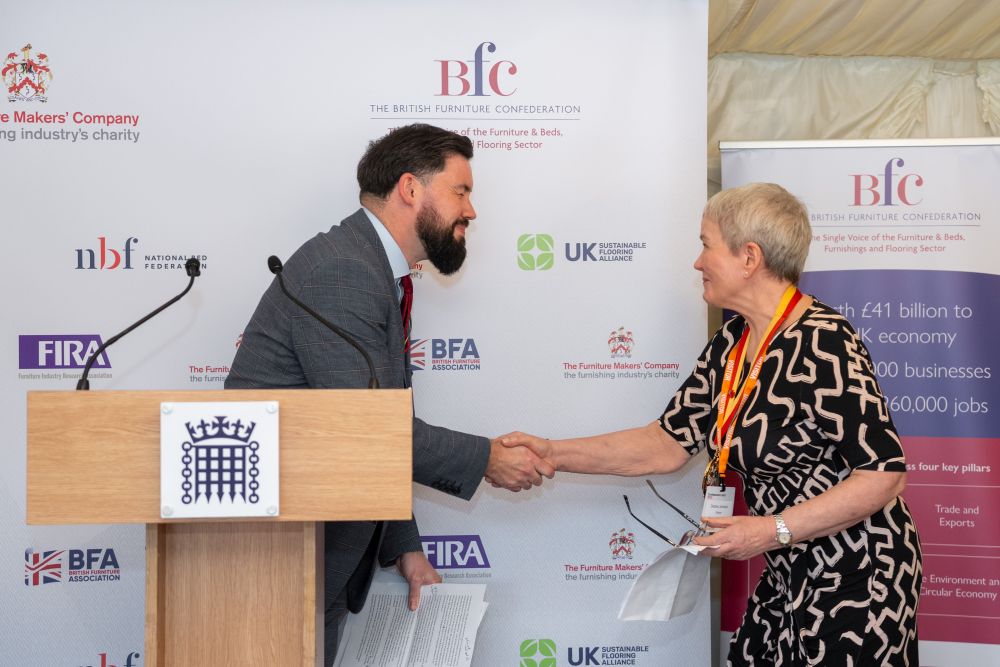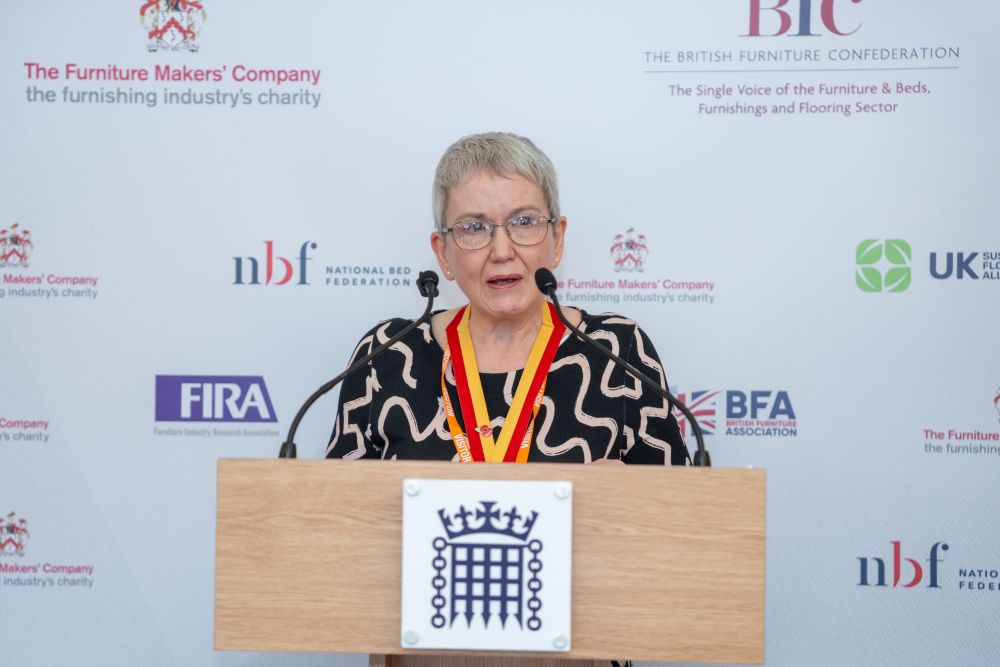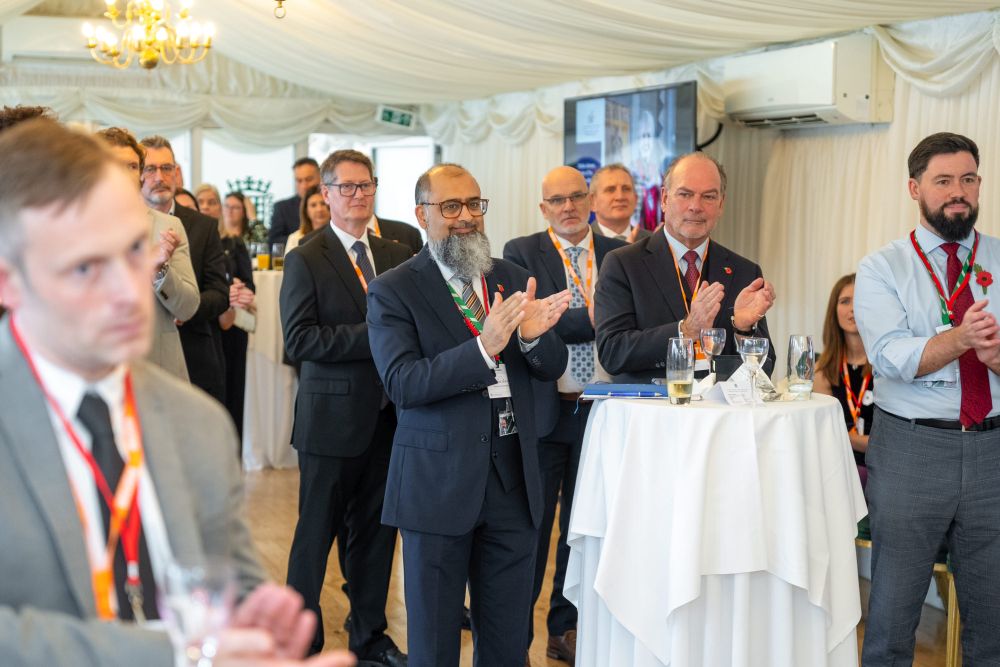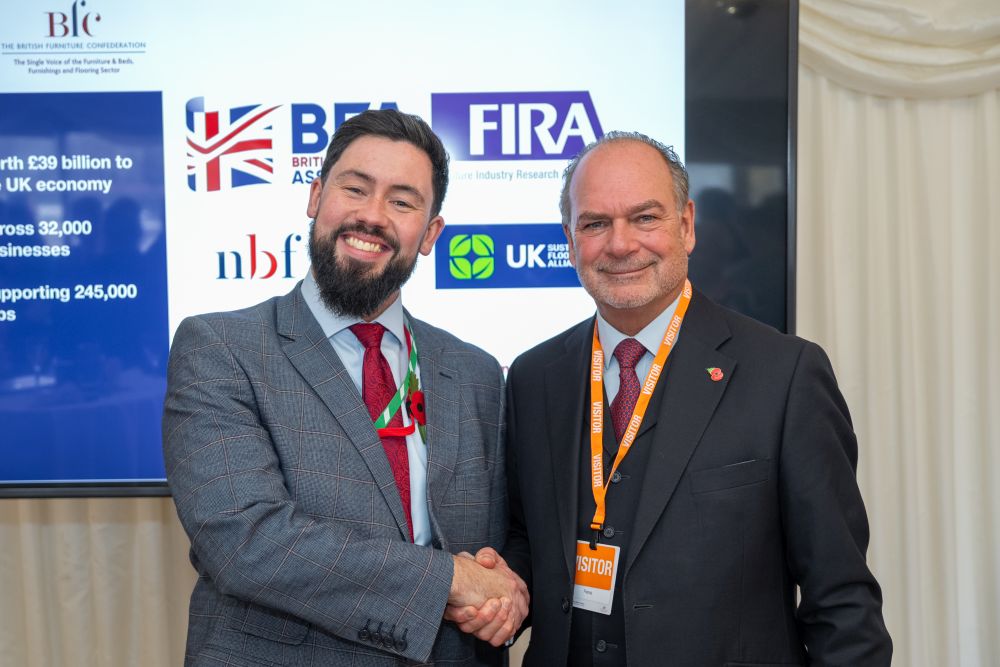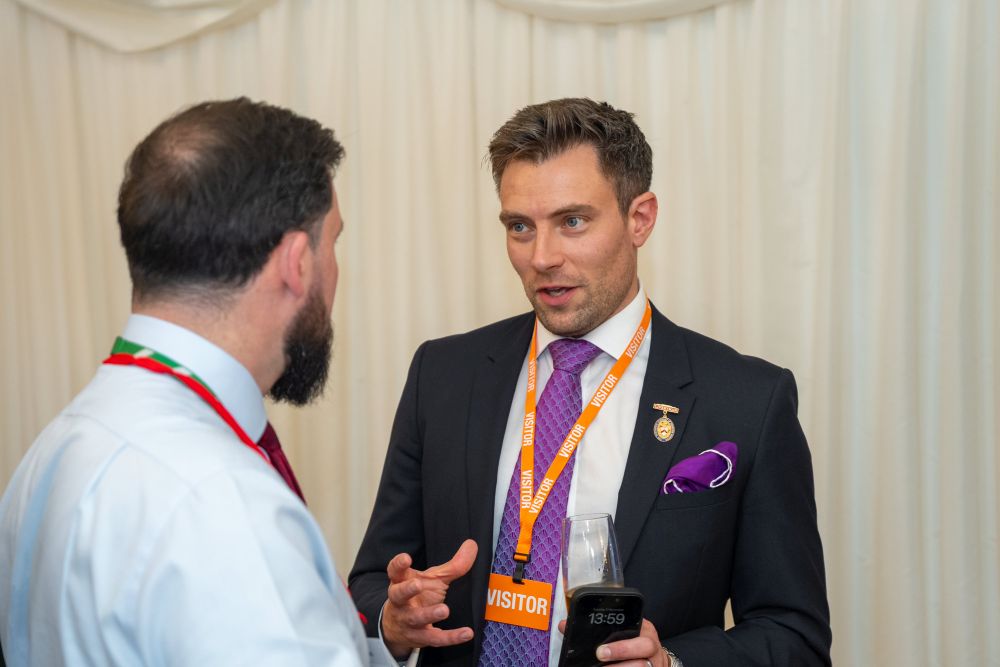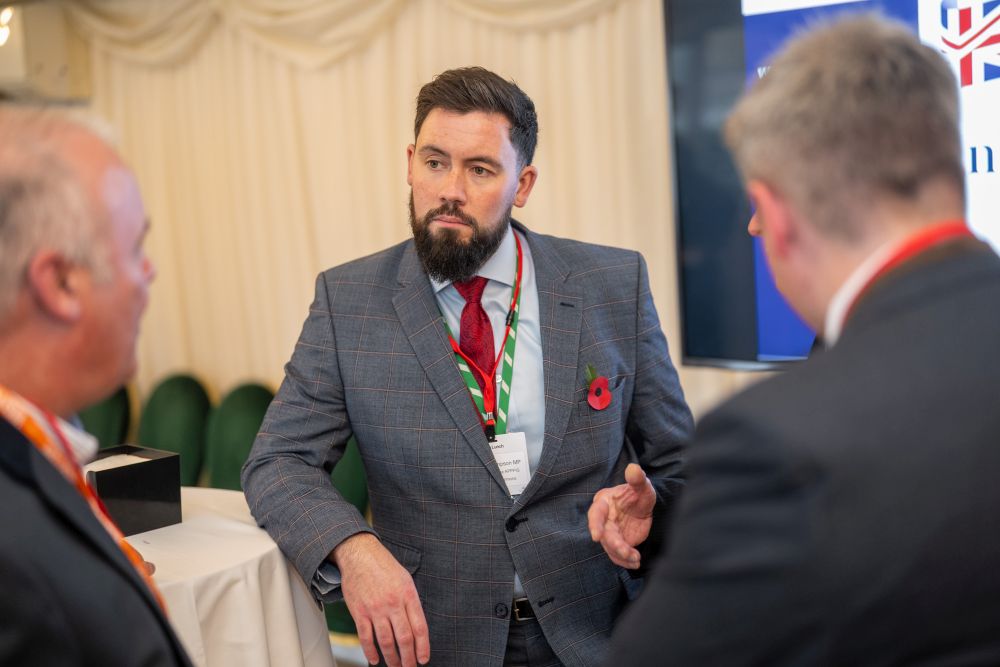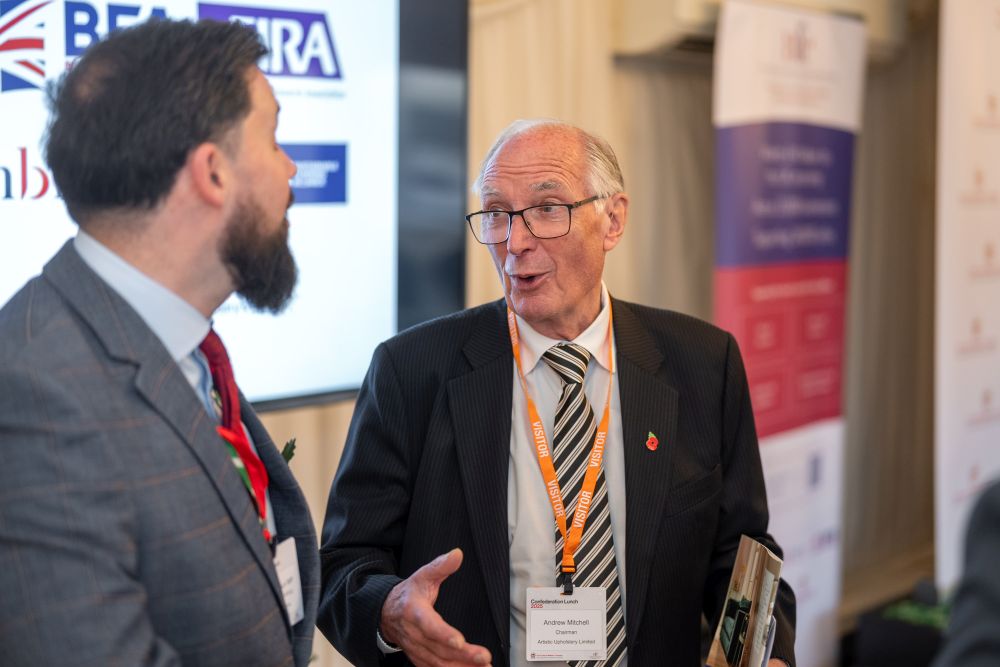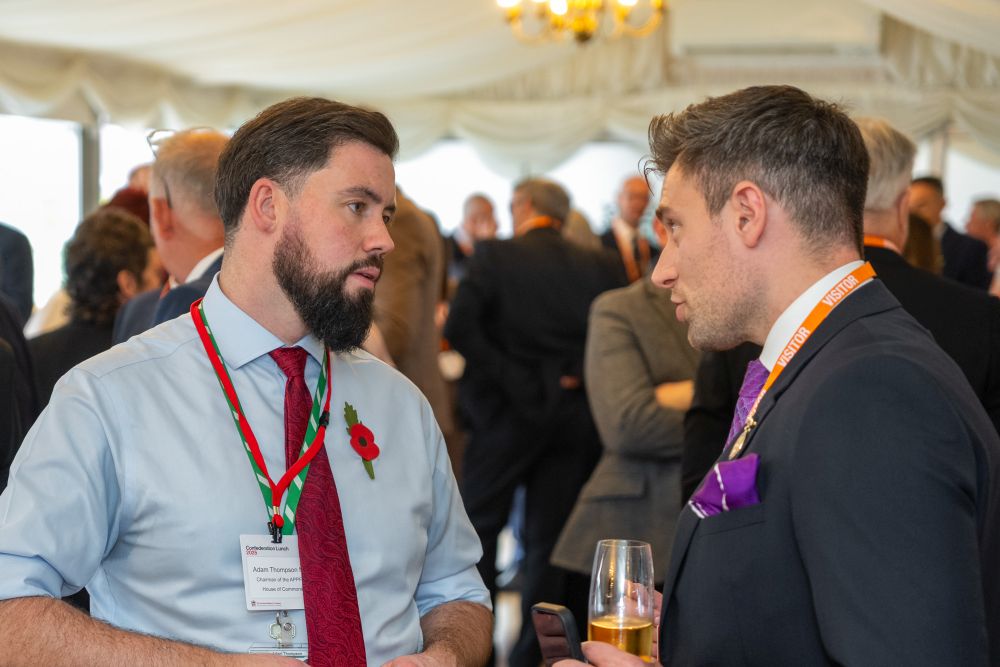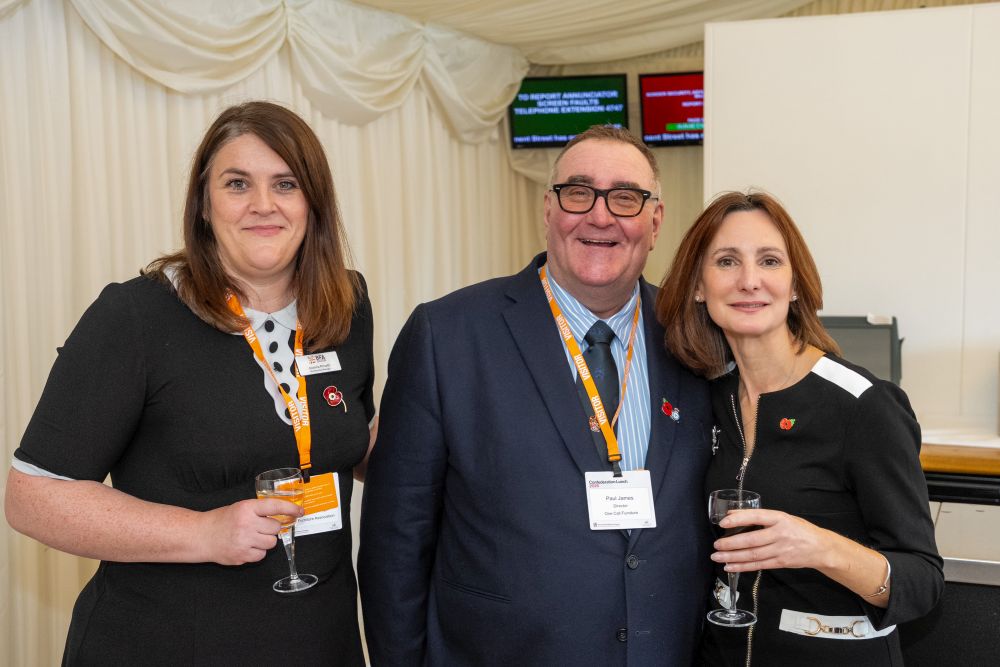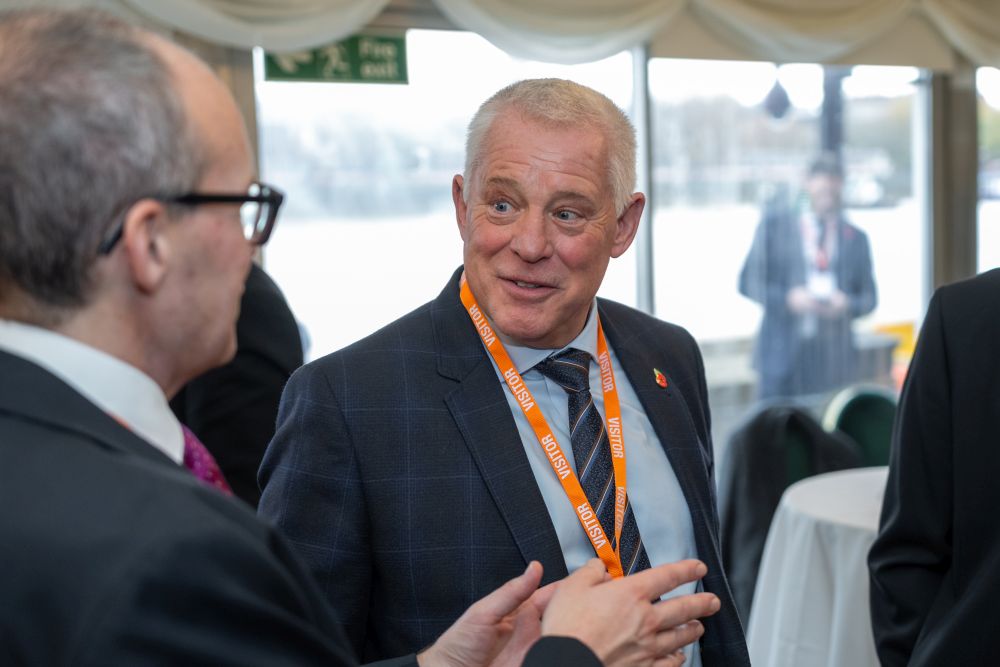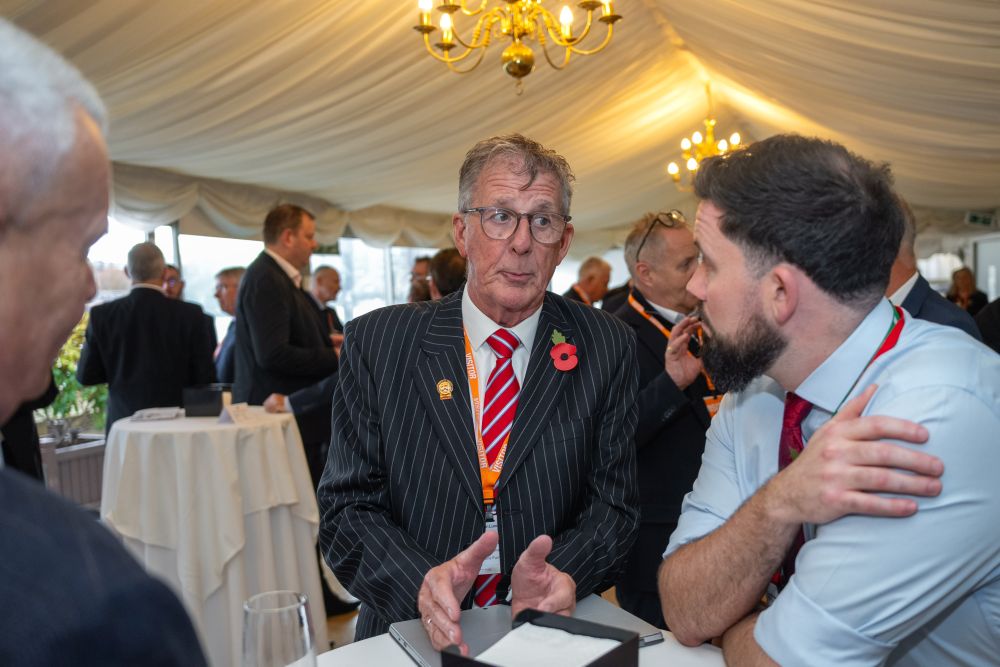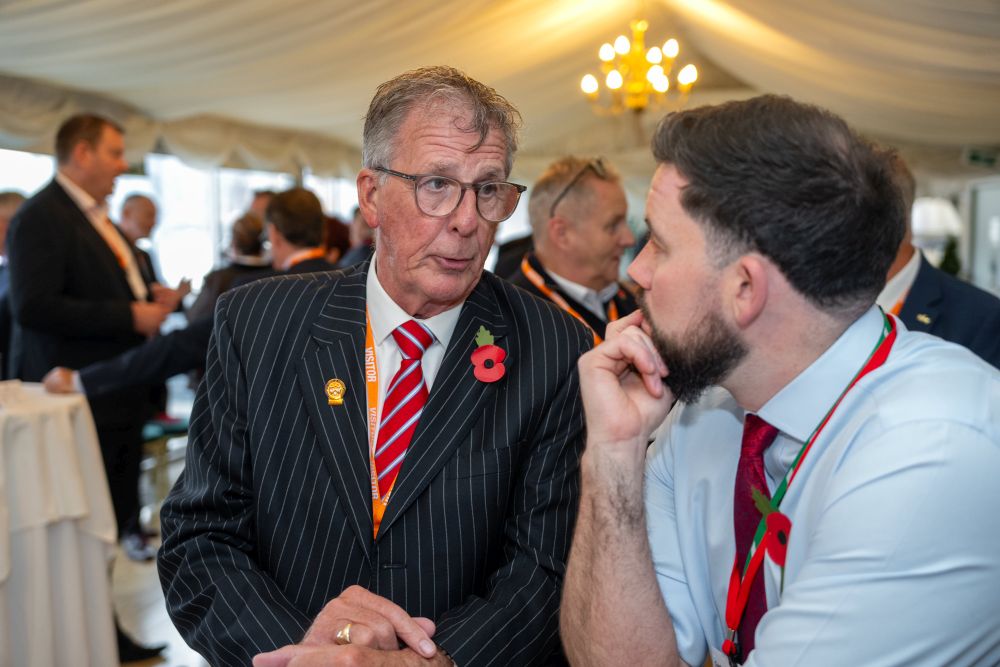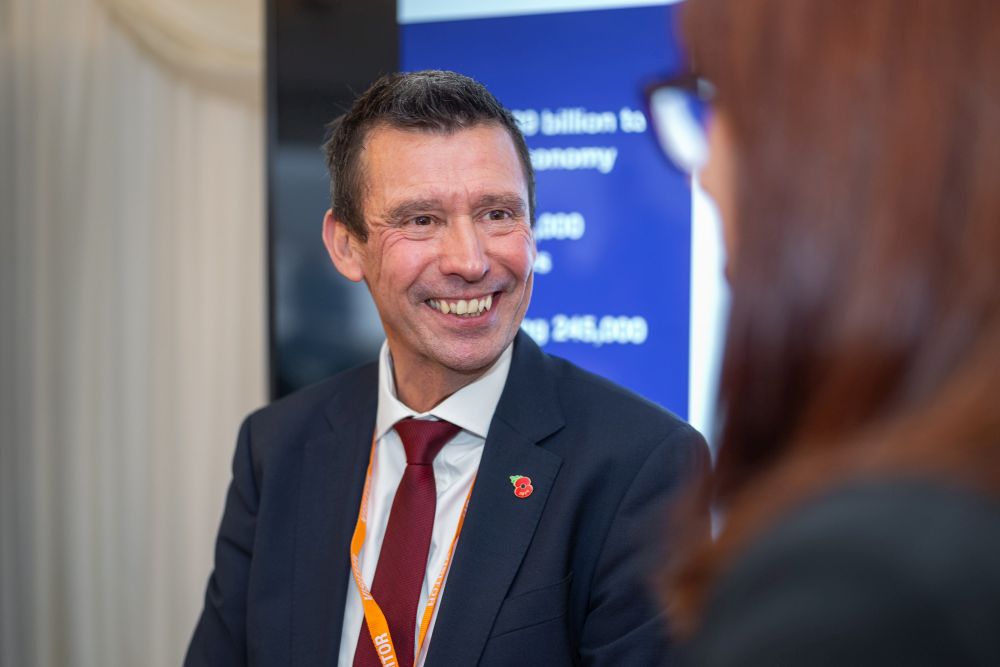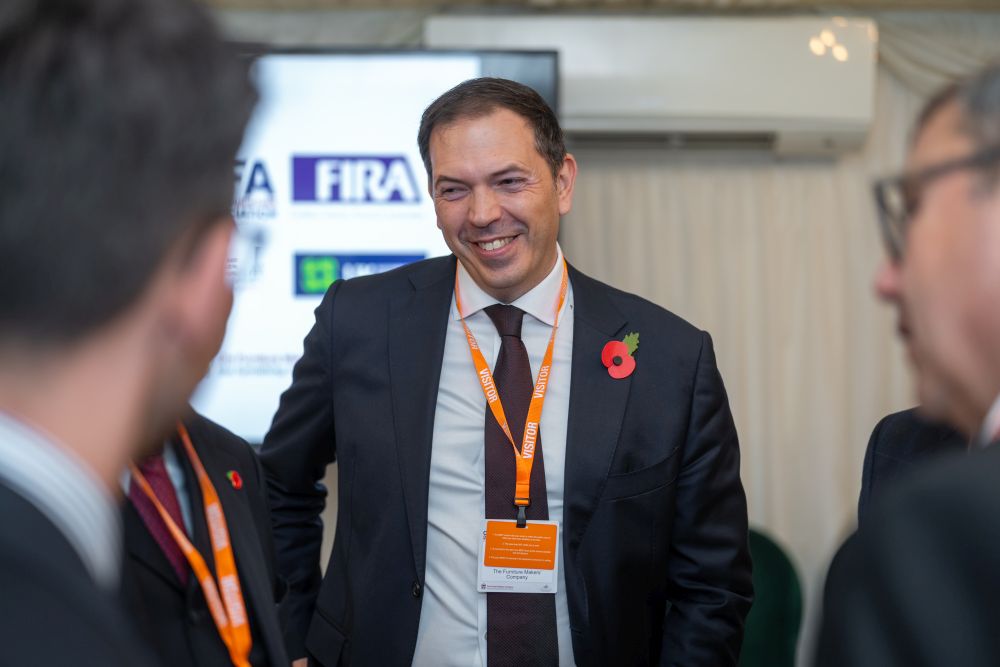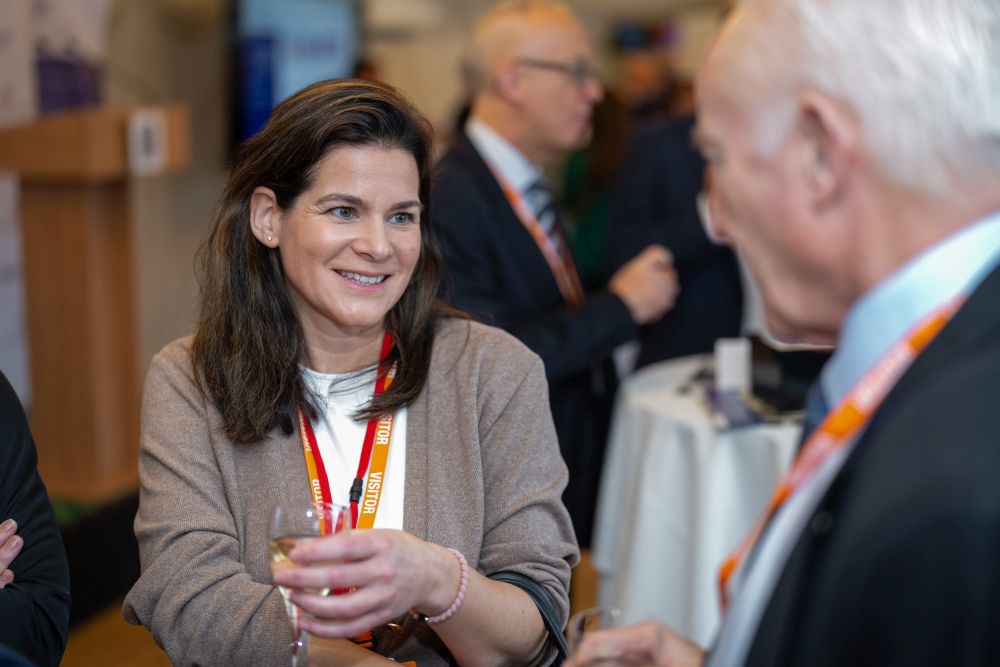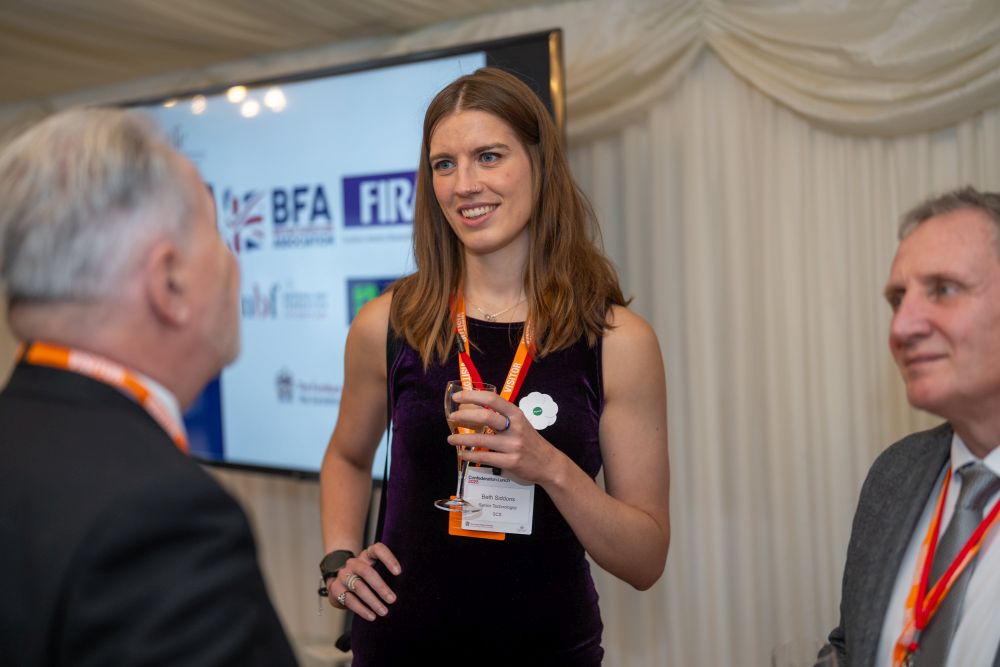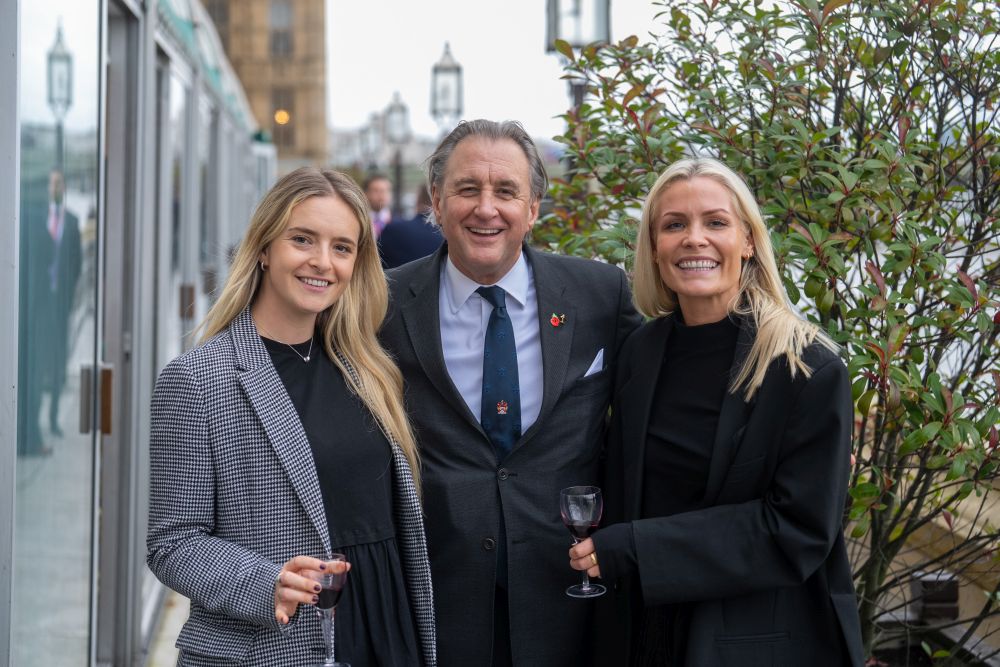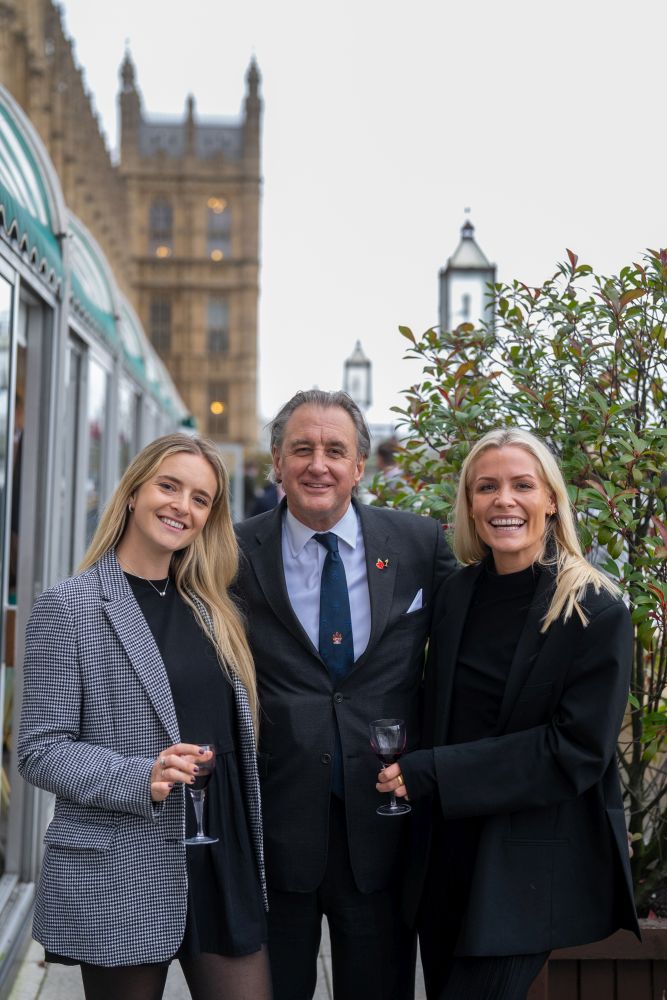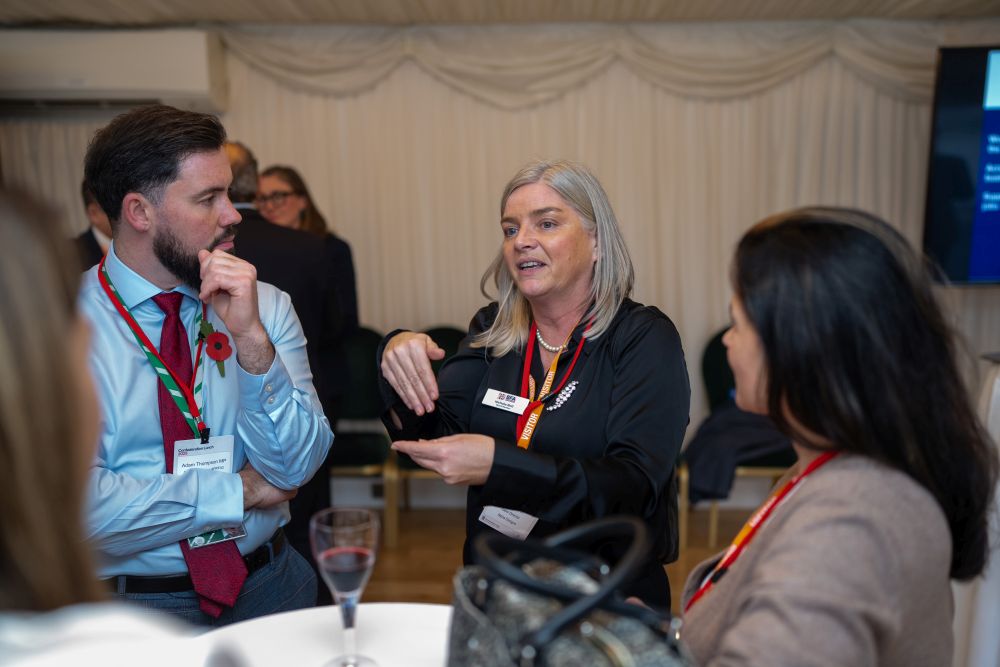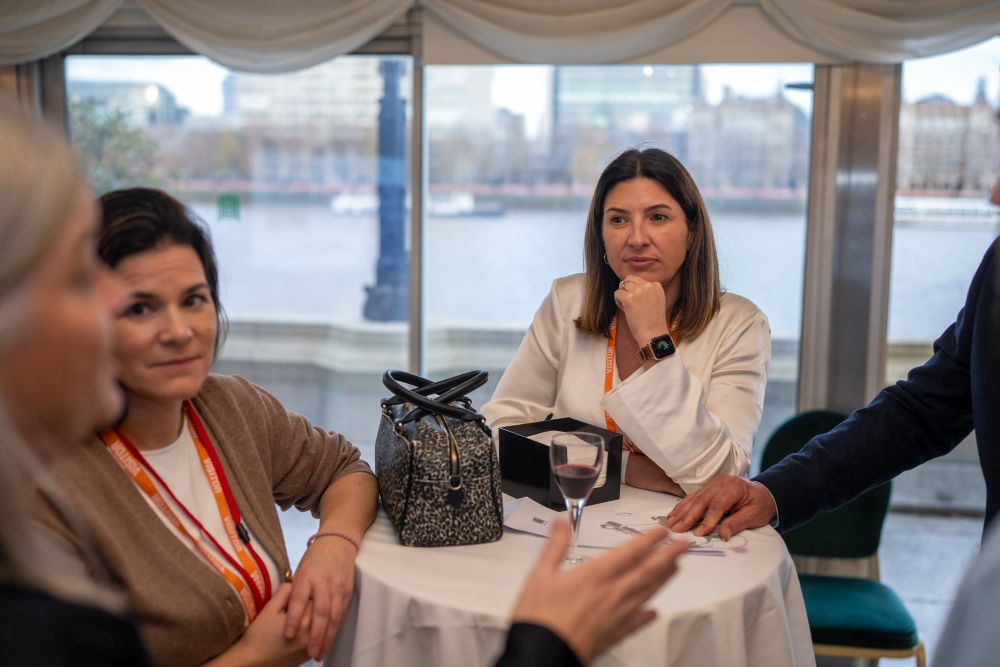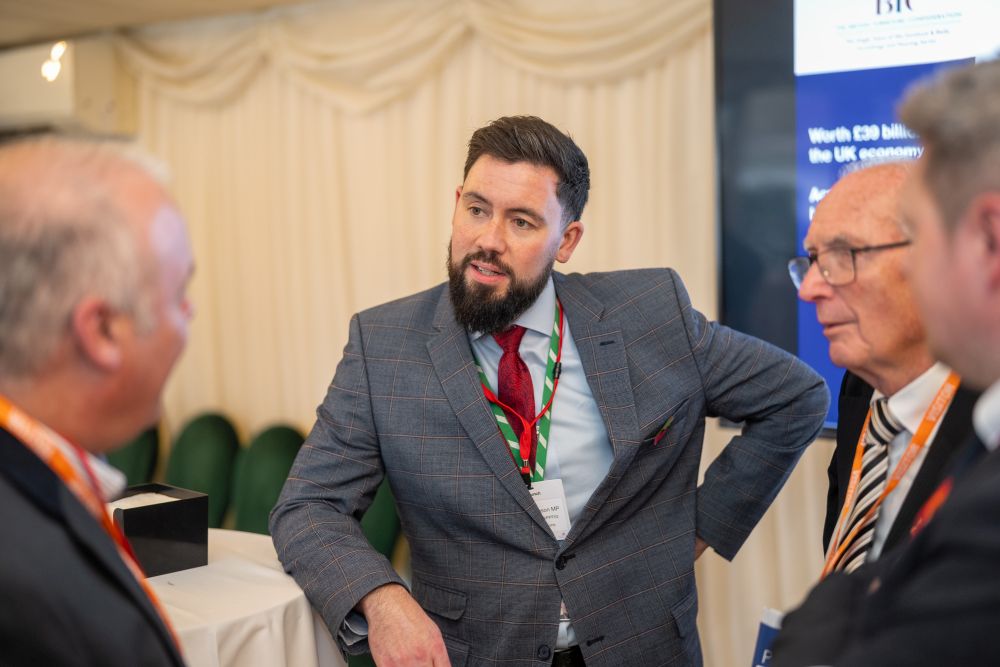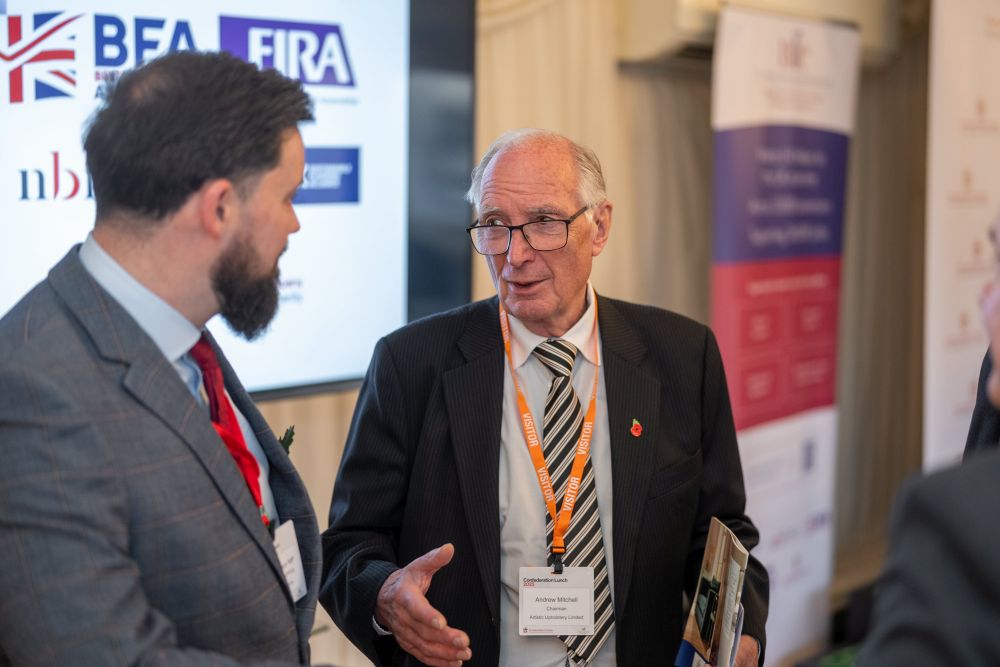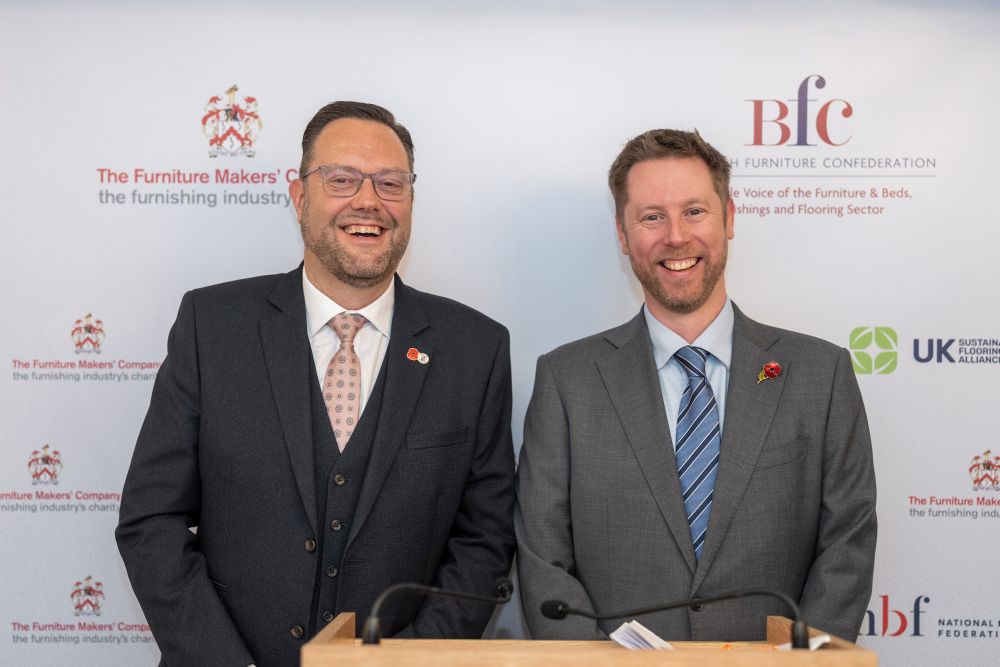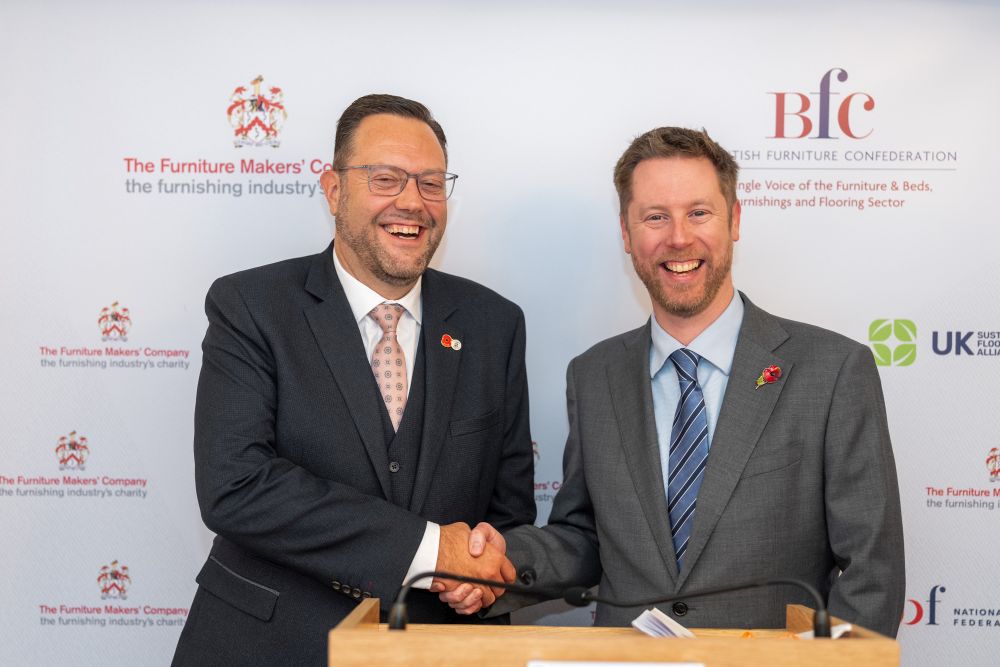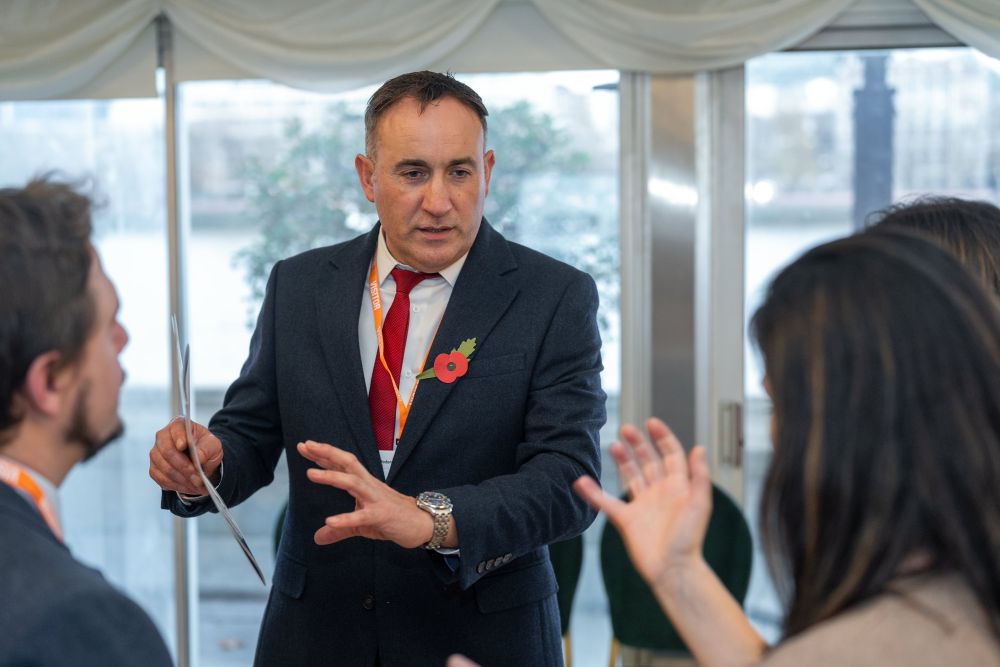
The BFC was delighted to link up with the Furniture Makers’ Company, the City of London livery company and charity for the furnishing industry, for the 11th annual Confederation Lunch at the Houses of Parliament. The event brought together senior industry leaders and MPs to discuss the sector’s £39 billion contribution to the UK economy and the priorities needed to drive future growth.
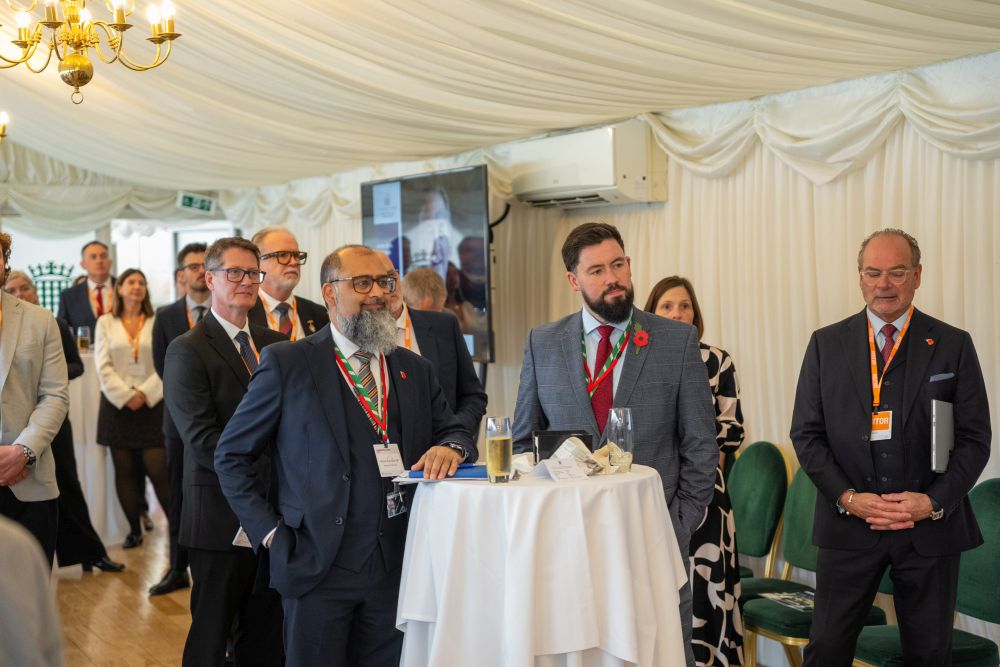
The lunch, held on 11 November in the Terrace Pavilion at the Palace of Westminster and co-sponsored by FIRA, is the Company’s most significant annual networking event. Around 150 senior figures – drawn from the livery company and the trade associations that make up the BFC – were in attendance.
The event offered businesses valuable direct access to the heads of the trade bodies and MPs of the All-Party Parliamentary Furniture Industry Group (APPFIG). The parliamentary host was Adam Thompson MP, chair of the APPFIG and Labour MP for Erewash.
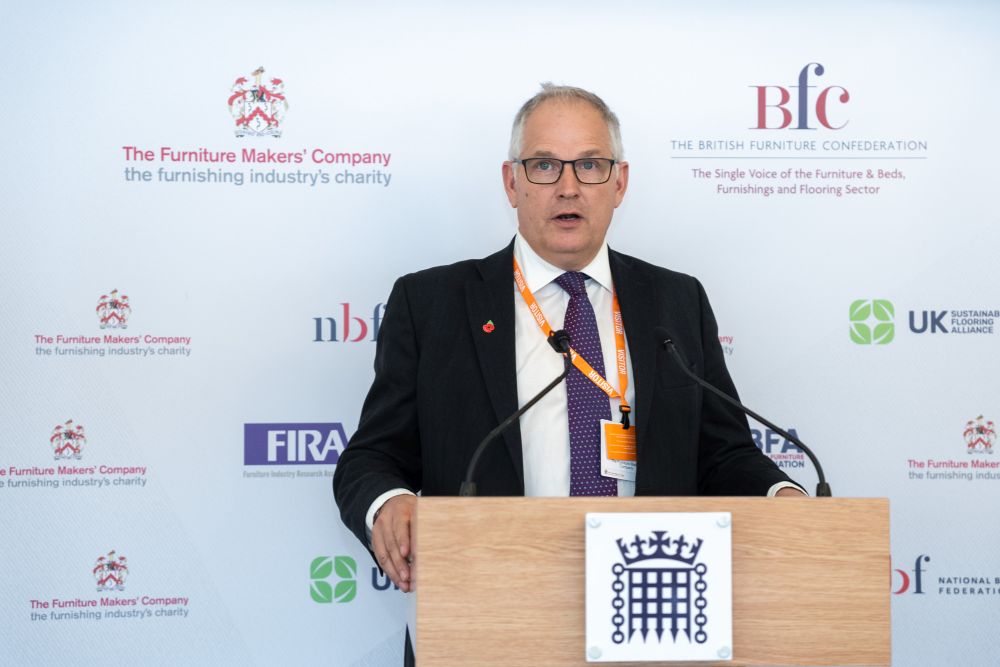
Following a welcome from Jonny Westbrooke, CEO of The Furniture Makers’ Company, Jonathan Hindle, chairman of the BFC, provided an overview of the state of the sector and the work the BFC has been undertaking with government.
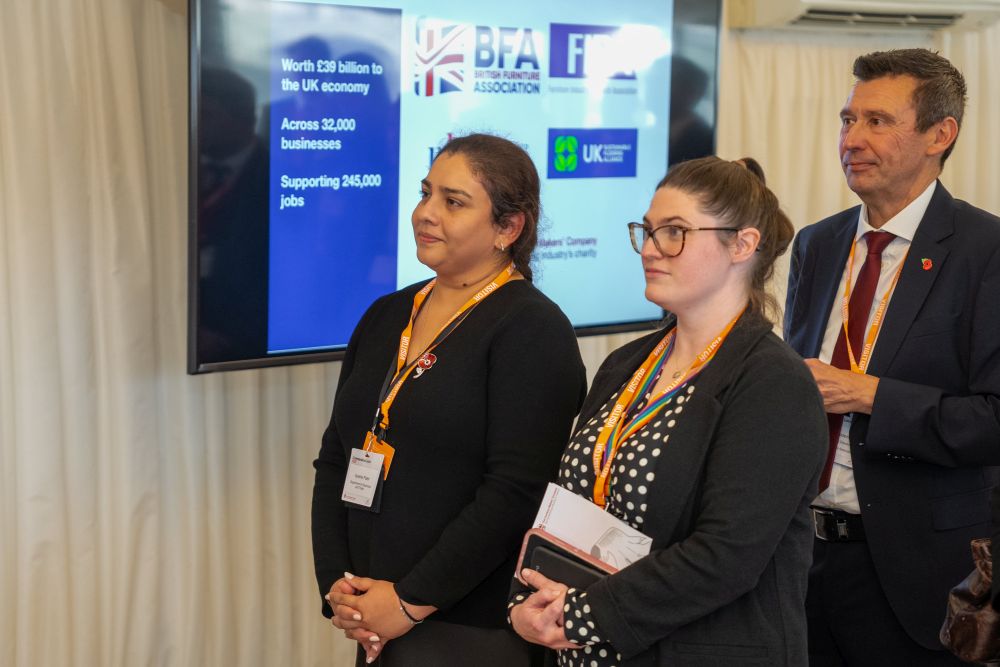
Speaking to delegates, Jonathan said: “The UK furniture and furnishings industry is a powerhouse. In 2023, it was worth over £41 billion to the UK economy, supporting 260,000 jobs across 33,000 companies. In 2024 this total fell to £39 billion, 32,000 companies and 245,000 jobs – a decrease of between 3% and 6%. This is a very concerning indicator of the current state of our economy and the impact of government policies that are stifling investment.
“Nonetheless, this remains a substantial industry – one that matters not only to the economy but to communities across the country. Exports still lag behind imports, but the potential for growth is clear, and more must be done to encourage investment in our local manufacturing capabilities.”
Jonathan went on to highlight the BFC’s success in raising the industry’s profile within government: “A key challenge for our sector is its fragmented nature compared with industries such as defence, which are dominated by large employers concentrated in specific regions. Fragmentation makes raising awareness harder, but progress is being made. Thanks to the BFC’s persistence over the last decade, the Government now attributes industry statistics more accurately within the Commons Library.”
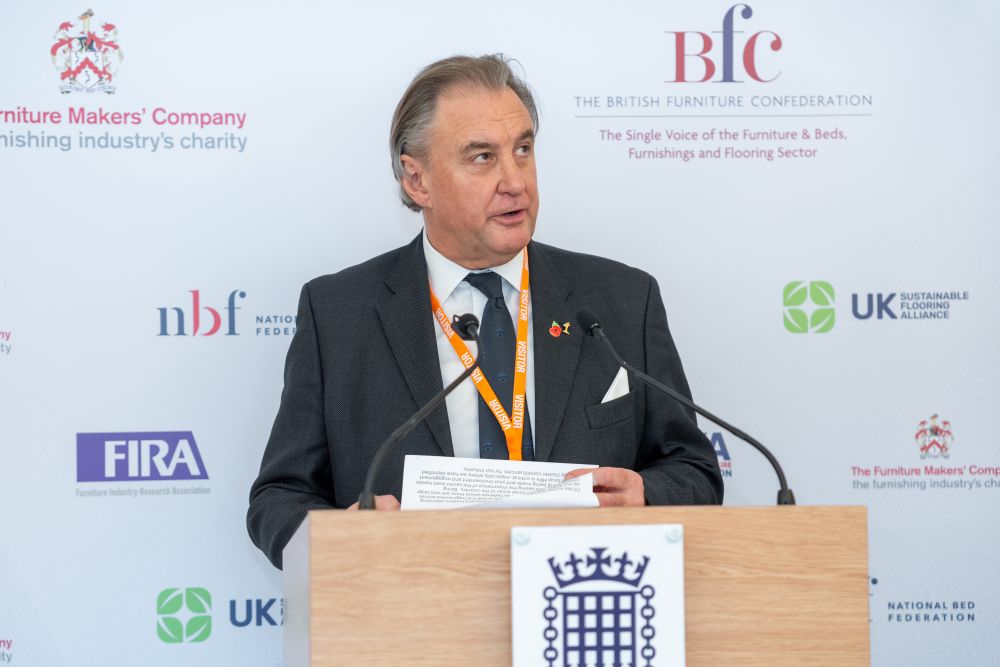
Jonathan concluded by announcing his decision to step down as BFC chairman after 10 years in the role. He introduced his successor, Tony Attard OBE DL, founder and chairman of Panaz, who outlined his vision for the organisation.
Tony said: “Under my chairmanship, the BFC will focus on defending British enterprise and driving growth through action, not words. We will defend British business from excessive taxation, reframe the productivity debate as a national – not just industrial – challenge and hold government to account for damaging legislation that undermines confidence and investment.
“We will champion the creative industries, push for fair and competitive business rates and energy tariffs, align education with the skills our industries need, and promote practical, proportionate regulation. We will strengthen partnerships with trade bodies and Parliament to turn these priorities into real progress.”
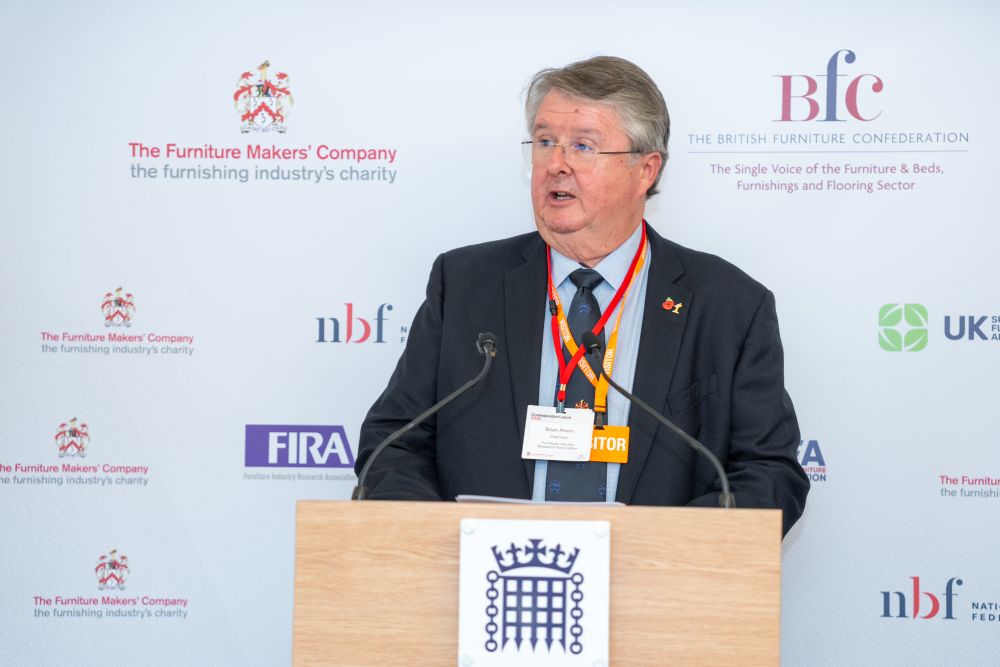
Next, Brian Ahern, chairman of FIRA, gave an update on the ongoing reform of the UK’s flammability regulations.
Brian said: “Following the Government’s long-awaited response to the 2023 review of the Furniture and Furnishings Fire Safety Regulations, we continue to monitor developments very closely. The Government has recognised the vital role that robust fire-safety regulations play in protecting consumers while signalling a clear intention to reduce reliance on chemical flame retardants.
“Recent ministerial changes at Department for Business and Trade (DBT) have slowed progress, and the industry urgently needs clarity on the final regulatory position and the timeline for implementation. Future testing regimes must reflect modern risks – such as the declining relevance of smouldering-cigarette ignition tests and the rising concerns around lithium-ion batteries in household devices. Developing and validating these new tests will take time, and we urge DBT to provide an indicative timetable as soon as possible.”
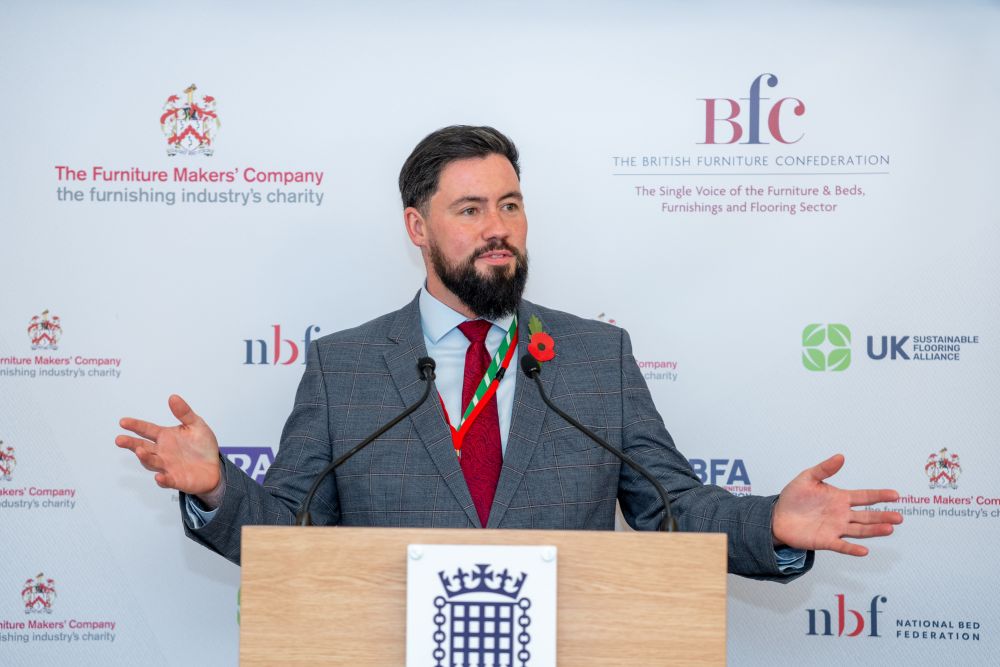
The keynote speaker, Adam Thompson MP, then delivered his first address at a Confederation Lunch as APPFIG chair. He welcomed guests to Parliament and reiterated his commitment to ensuring the sector receives greater recognition within government.
Adam Thompson MP said: “I will continue working with the DBT and other departments to ensure British furniture manufacturing receives the recognition it deserves in the national industrial strategy. The sector also faces wider challenges – from fair trading conditions and tariffs on imports to evolving environmental and regulatory frameworks.
“I welcome the collaboration with the Department for Environment, Food and Rural Affairs on circular-economy policy and encourage continued engagement from across the industry. When businesses are involved early in shaping regulation, the outcomes are better for consumers, for growth and for sustainability. The furniture, furnishings and flooring sectors show what Britain can achieve when craftsmanship and innovation come together, and I will continue to champion this industry in Westminster.”
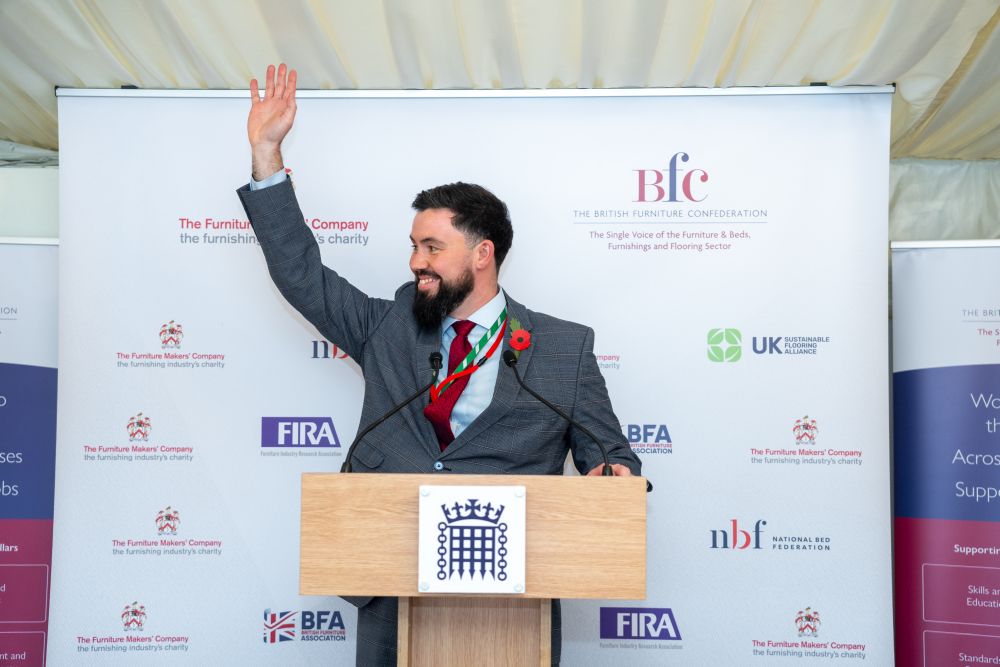
The speeches concluded with closing remarks from Debbie Johnson, Master of The Furniture Makers’ Company, who thanked all the guests for attending.
Speech by incoming chairman Tony Attard
Confederation Lunch 11th November 2025, speech by incoming chairman Tony Attard, OBE,DL
Good afternoon, Rt Hon members of Parliament, Ladies and Gentlemen,
I am deeply honoured to stand before you today as the new Chairman of our Industry Confederation.
I would like to begin by expressing my sincere thanks to Jonathan for his remarkable leadership and dedication over the past ten years. His contribution to our industry has been immense, and I know I have big shoes to fill.
I also wish to thank the Board for the confidence you have placed in me—And I look forward to working with our very talented group of MP’s – it is both a privilege and a responsibility that I take very seriously.
Now, it would be disingenuous to pretend that I take on this role at an easy time. Our industrial figures are down, just when our economy so desperately needs growth. But, sadly, this does not come as a surprise.
Only this morning, I stepped off a flight from New York, where I had been representing our industry at an exhibition promoting our products to the U.S. market. What struck me most was not the enthusiasm of American buyers—though that was considerable—but the stark contrast between the level of government support our competitors receive and what we, in the UK, do not.
Everywhere I looked, there were impressive national pavilions—Portuguese, Spanish, Italian, Mexican—each proudly showcasing their industries, each backed and subsidised by their governments. Meanwhile, British businesses like ours are left to fend for ourselves.
In fact, far from helping, our government appears to be hindering enterprise—raising the cost of employment, taxing hard-earned pensions, and refusing to extend business property relief that would allow family businesses to grow, invest, and export with confidence in the future.
As your new Chairman, I want to be clear: I am here to work with our Members of Parliament, but not to pander to them.
To borrow a line from Rachel Reeves last week—this government must learn to adapt to the world as it is, not as it wishes it to be.
If these policies continue, the inevitable outcome will be less investment, lower productivity, and a steady flight of capital and talent from our shores. We are already seeing it happen.
Now, in business, when faced with stagnation and decline, we do not throw up our hands in hope—we act.
We cut non-essential costs to strengthen our position.
We invest in people, rewarding those who drive growth and innovation.
And we put more energy into marketing and sales, expanding our reach and ambition.
Yet what we are seeing instead are the hallmarks of bad management:
Rising costs, higher taxes, and policies that discourage productivity—when what this country needs most is the opposite.
So, under my chairmanship, I believe we must focus our efforts on the following priorities:
- Defend British business – We must ensure that enterprise is not treated as low-hanging fruit for ever-increasing taxation.
- Reframe the productivity debate – Productivity is not an industrial problem alone; it’s a societal one. Too many people in our country are simply not contributing to the economy. Numbers out today show that unemployment is at 5% a post covid high.
- Challenge damaging legislation – We must ensure government understands the real-world consequences of measures such as the non-dom reforms, increased taxes on young professionals, and the failure to extend Business Property Relief.
- Champion the creative industries – We cannot allow further erosion of arts education; creativity is one of Britain’s greatest assets.
- Make business rates and energy tariffs competitive and fair – They must be equitable and sustainable for all enterprises.
- Align education with industry – Our educators must equip young people with the skills our industries need to thrive.
- Promote sensible regulation – Especially around issues like flammability standards, which must be both safe and workable.
- Build partnerships – We will work closely with other trade bodies and All-Party Parliamentary Groups to turn these priorities into progress.
I am reminded of an earlier time, many years ago, when I served as Chairman of the Institute of Directors in the North West. At a meeting in 10 Downing Street, then-Prime Minister Tony Blair asked a room full of business leaders, “Is there anything more we can do to help you succeed?”
And, truthfully, there wasn’t much more to ask for—Britain was then one of the most business-friendly nations in Europe: fair employment laws, stable taxation, and a strong spirit of enterprise.
Sadly, that is no longer the case. Today, we face far too many obstacles—many of them created here at home. But I remain optimistic. Because the talent, the innovation, and the determination within British industry are second to none.
If we can restore a government mindset that celebrates, rather than constrains, enterprise—and I will work with our APPG group of MP’s to do that – then we can and will return this country to growth.
May I know hand you over to Brian Ahern Chairman of FIRA. Thank you.
Speech by outgoing chairman Jonathan Hindle
Confederation Lunch 11th November 2025 – speech by outgoing chairman Jonathan Hindle
Good afternoon, everyone. It’s a real pleasure to see you all.
Thank you for taking the time to join us here today. These occasions remind us how important collaboration between industry and government is. Your support is vital as we navigate significant changes.
Acknowledgments
Firstly, please indulge me in some well-earned thanks and acknowledgements.
Our sincere thanks to Adam Thompson MP, for hosting us at Parliament today. Adam is the new Chairman of our industry’s All-Party Parliamentary Group and the MP for Erewash one of our significant industry manufacturing clusters.
Adam, we greatly appreciate your support, and we look forward to hearing from you in a short while. Having Adam championing the sector through his APPG Chairmanship keeps the voice of the sector heard in Parliament. For those of you who aren’t aware, having an APPG or All Party Parliamentary Group for our Industry requires increasingly vigorous qualification but once achieved, and maintained it is one of the most effective ways of communicating with government.
I’d like to use this opportunity to thank the MPs and Peers who make up our APPG. Thank you also to all the MPs present from constituencies where our industry plays such an important role. Your support makes a real difference, and your being here today is also appreciated, especially as it is only a 1 line whip not 3 line whip today!
An especially big thank you to all of the industry leaders attending today. A key challenge for our sector is that it is fragmented across the UK unlike industries such as Defense where there are very large employers clustered in small areas of the country. Being fragmented, makes raising the importance of the sector even harder but progress is being made and your involvement and engagement with your local MPs is critical, especially where we have identified some key cluster constituencies for our industry.
An area where the BFC has been making significant strides, is in ensuring that the sector is better represented on government regulatory working groups than in the past. There is also regular dialogue with Ministers, Civil Servants and Special Advisors at the Department of Business and Trade / ‘DBT’ and DEFRA who are working to support the sector.
By having a seat at the table, the Furniture & Furnishings sector can feed in real world business experience and can hopefully stop government from going in a direction that could harm furnishing businesses and consumers. I’d like to use this opportunity to thank Charles McCall & in particular Ayesha Patel at DBT, whose guidance and engagement have been invaluable in helping us communicate effectively in so many ways.
If there are some of you thinking… I have a lot to say to Government on these subjects and more, I’d encourage you to join our PAAQ Group of industry leaders who help with identifying the most pressing issues facing our industry. A Press Gang will be circulating after the speeches, so please sign up!
A mention and well done here should also go to David Beamer and his team at Brevia Consulting who have helped us with the secretariate for the APPG and who have been the BFC’s faithful advisors in communications with both Govt Departments, their Ministers and Civil Servants over many years.
Finally a special thank you to my BFC Board colleagues, the CEOs of the leading Trade and Research Associations. Your leadership, advice and commitment along with communication to your respective memberships have been highly instrumental in driving our work forward.
Industry Overview
So, before we turn to the key issues, let me emphasise the scale and significance of our sector. The UK furniture and furnishings industry is a powerhouse. In 2023, it was worth over £41 billion to the U.K. economy annually, supporting 260,000 jobs across 33,000 companies. Our manufacturing turnover stands at £9.6 billion, and we export goods worth £3.49 billion every year. In 2024 this total fell to £39 billion, 32,000 companies and 245,000 jobs, a decrease of between 3% to 6% a very concerning indicator of the current state of our economy and the effect of current Govt. policies which are stifling investment. Sorry Adam, we aren’t pulling any punches today, despite it being Armistice Day. The figures for 2025 are not looking any better!
Nonetheless, this remains a substantial industry, one that matters, not just to the economy, but to communities across the country.
Thanks to the BFC’s dogged determination over the last 10 years the Govt has these statistics better attributed to our Industry in the Commons Library at last! The data is derived from the Governments own SIC code data and now this has been properly collated, they are better informed of the scale and importance of this industry to jobs and the economy. Importantly they are also becoming more aware of the industry’s investment in advanced manufacturing and design technology with large companies competing on the global stage as well as smaller specialist craft ventures making up the SME mix.
Exports are still at a significant deficit to imports however the potential is very evident if only more was done to encourage investment in our local manufacturing capabilities.
FIRA , a member of the BFC and a co-host today are the research body responsible for a more detailed report on Industry Statistics. They have recently issued their annual report available to FIRA members. They will be adding more regular bulletins to track important up to date metrics and KPIs in future. If you want access to this useful data, I encourage you to join FIRA, as a member.
You will find copies of the BFC’s comprehensive Plan for Growth brochure around the room, which sets out the many activities the BFC has undertaken on the industry’s behalf.—please do take a copy. It’s informative, and – unlike some government reports—mercifully short!
Some current Key Issues in brief
- Tax Policy & Business Property Relief – Changes from April 2026 could have serious consequences for family-owned businesses. We will continue to press government to have a rethink and ensure these changes do not undermine UK ownership and investment.
- Nuclear Levy – The new levy will add costs to electricity bills. The government says it’s about £1 a month for households however the impact on businesses remains unclear and potentially more serious.. We need transparency and fairness where currently only some ‘very high energy use’ industries are suggested for receiving support.
- Circular Economy & EPR – We are working closely with DEFRA to ensure any future regulations are practical and affordable, and that we are involved on any Govt. Advisory Panels.
- Flammability Regulations – We welcome reforms but urge timely progress despite ministerial changes. Brian Ahern of FIRA will comment shortly.
- Immigration & Skills – Recruitment challenges remain, but the government’s £3 billion investment in apprenticeships offers opportunities we must take up.
A more detailed A4 Briefing Note has been put out on these latest key Issues alongside the Plan for Growth brochure.
Closing
You will be relieved to hear, now some closing remarks. After all the thank you references at the beginning of this speech you might have been wondering if this was a parting song and you would have been correct! After 10 years as Chairman of the BFC, far too long, some might say, I feel it is the right time to step down from my role. It has been an absolute privilege to work with colleagues across our industry, advancing our cause to Government. I have thoroughly enjoyed every moment, though my family will be relieved that I may finally stop talking about taxes, tariffs and flammability regulations over dinner! Not much chance of that!
Thank you all for being here today, and for everything you do to keep our industry strong. I encourage all of you to share your concerns and ideas so we can strengthen our advocacy together.
Before I close, I’m delighted to introduce the person who will be taking on the role of Chairman of the British Furniture Confederation, Tony Attard. Many of you will know Tony as a passionate advocate for British design and manufacturing, and as someone who brings enormous experience and energy to everything he does.
Tony has been a driving force in our industry for years, championing innovation, sustainability, and skills development. I can’t think of anyone better to lead the BFC into its next chapter.
Tony over to you…